A "Near Zero" Chance of Catastrophe
How the first atomic bomb test in the New Mexico desert might have gone horribly wrong.

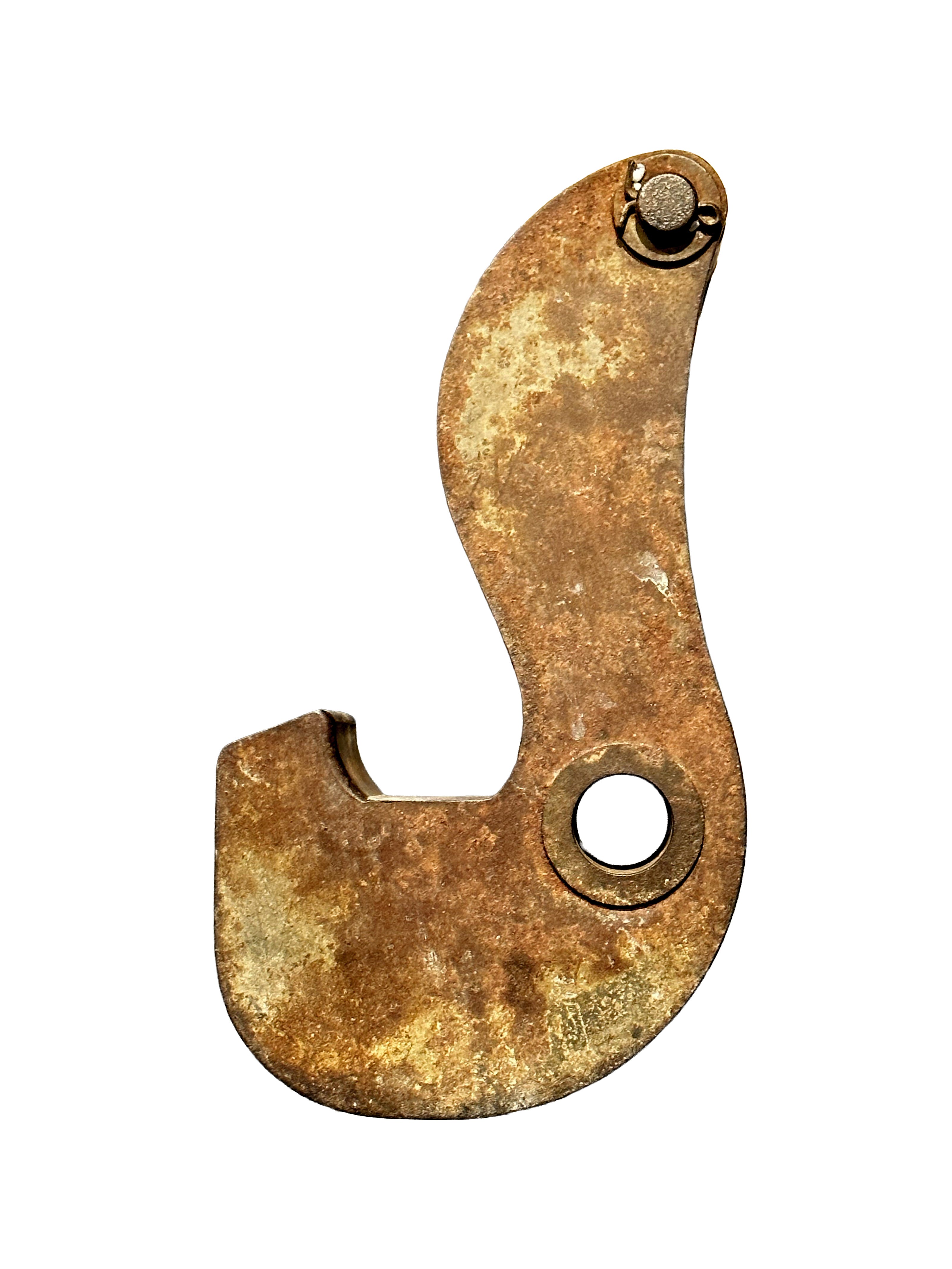
On July 16, 1945, the first atomic bomb was detonated in the desolate Jornada del Muerto desert in New Mexico. The weapon, referred to simply as “The Gadget” by scientists at Los Alamos, earned its unassuming name as a strict security measure. Early in the project, lead scientist J. Robert Oppenheimer instructed his physicists to substitute the generic 1940s term “gadget” for “bomb” so that eavesdroppers wouldn’t catch wind of what they were actually building. Likewise, the first detonation test was given the codename “Trinity.”
At the time, the knock-on effects of an atomic explosion were entirely theoretical, which naturally led to fears about catastrophic unintended consequences. As famously depicted in Christopher Nolan’s blockbuster film Oppenheimer, there was a lingering dread that the bomb might ignite all the nitrogen in the atmosphere. In the movie, Oppenheimer famously tells General Leslie Groves that the chances of destroying the world are “near zero.” While this made for incredible cinema, the historical reality was a bit more settled by the time of the test. Physicist Edward Teller did raise the terrifying atmospheric ignition theory in 1942, but Hans Bethe crunched the numbers and proved it was a physical impossibility. Still, with Enrico Fermi taking dark-humored bets right before the blast on whether they would accidentally incinerate New Mexico, the tension in the desert was palpable.
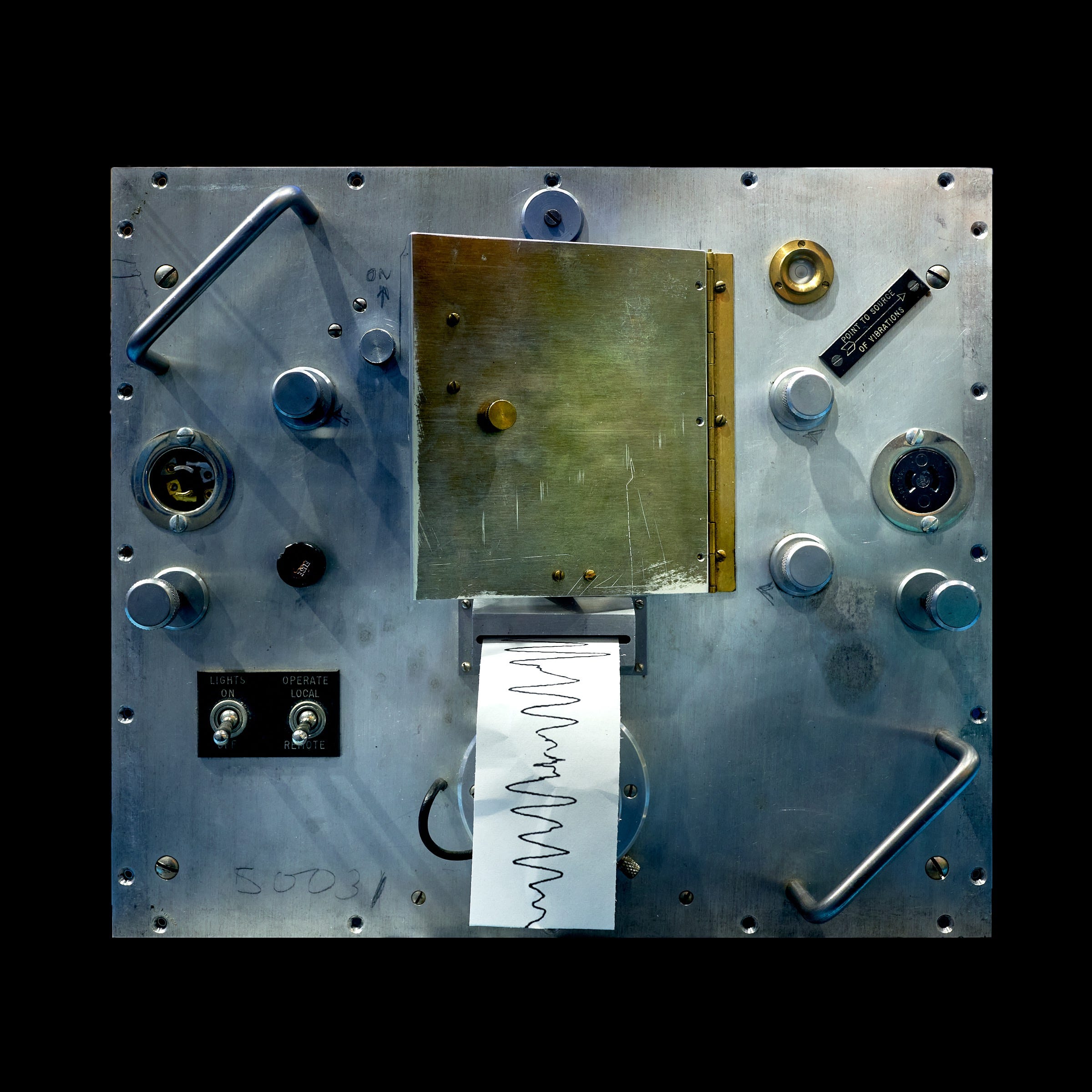
Beyond the apocalyptic theories, there were plenty of grounded concerns. Chief among them was the fear that the sheer magnitude of the explosion—estimated to be roughly equivalent to 21,000 tons of TNT—would generate destructive earthquakes. To study this real possibility, Harvard professor Don Leet designed portable, strong-motion seismograph units that were used to record the “earth shock” of the blast. The instruments were strategically placed at various distances from Ground Zero, including a station 9,000 yards due north, as well as in nearby communities like San Antonio, Carrizozo, Tularosa, and the Elephant Butte Dam.
Fortunately, only the unit closest to the detonation recorded any significant seismic activity.
The Trinity test was the culmination of an unprecedented national mobilization. What had started years earlier with a strongly worded letter from Albert Einstein to President Franklin D. Roosevelt warning that Nazi Germany might be developing atomic weapons ultimately birthed the Manhattan Project.
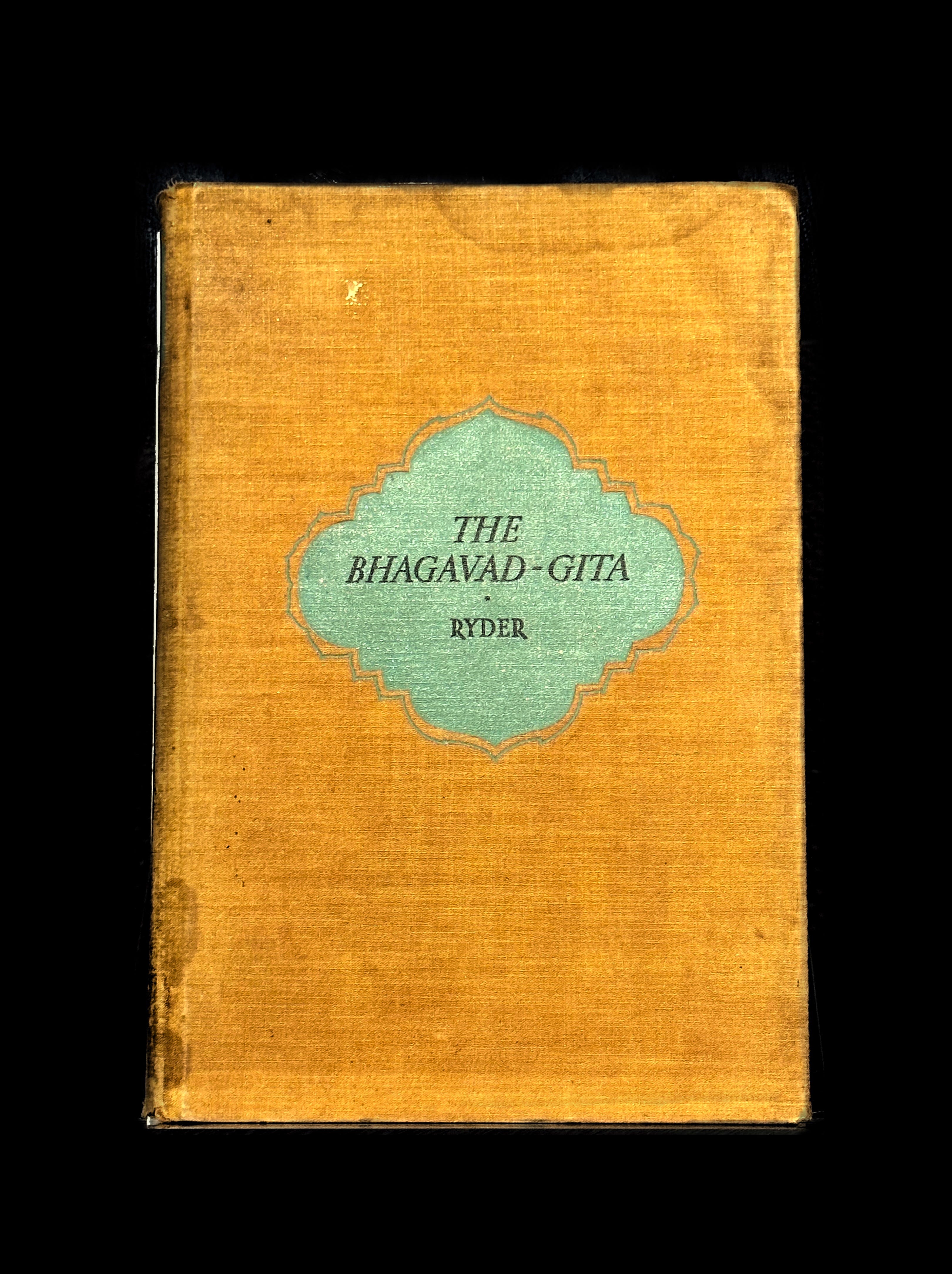
The story of the Manhattan Project is one of deep secrecy, devastating destruction, and technical innovation at a scale never before achieved. The effort forever altered the geopolitical world order and society as a whole post-World War II. In fact, the project and President Harry S. Truman’s subsequent decision to use the bomb to end the war are still heavily researched and debated by historians today.
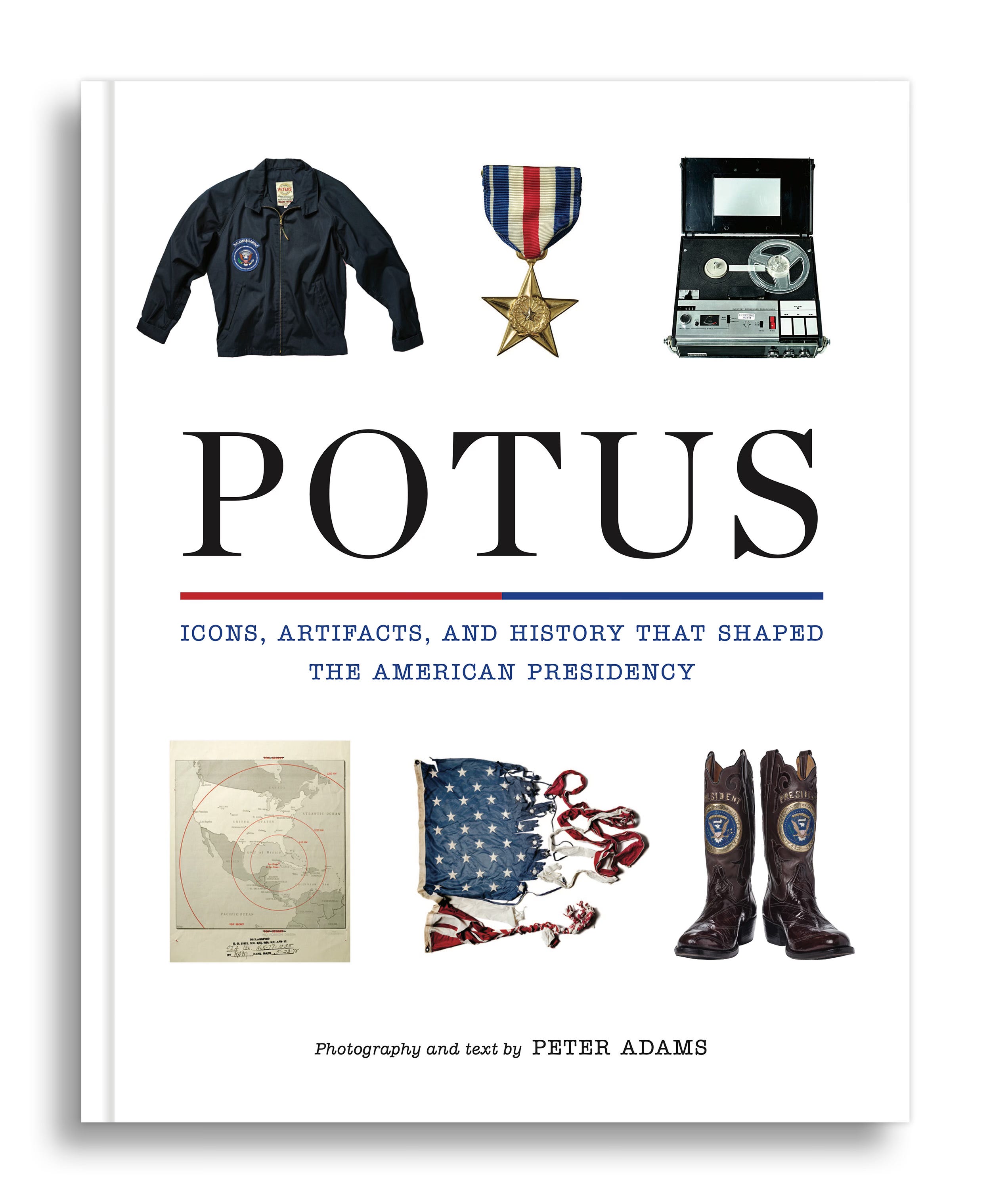
You can see more artifacts relating to the Manhattan Project, the atomic bombing of Japan, and the uncontrolled arms race it unleashed in my new book.
If you enjoyed this post, please consider buying my book: