

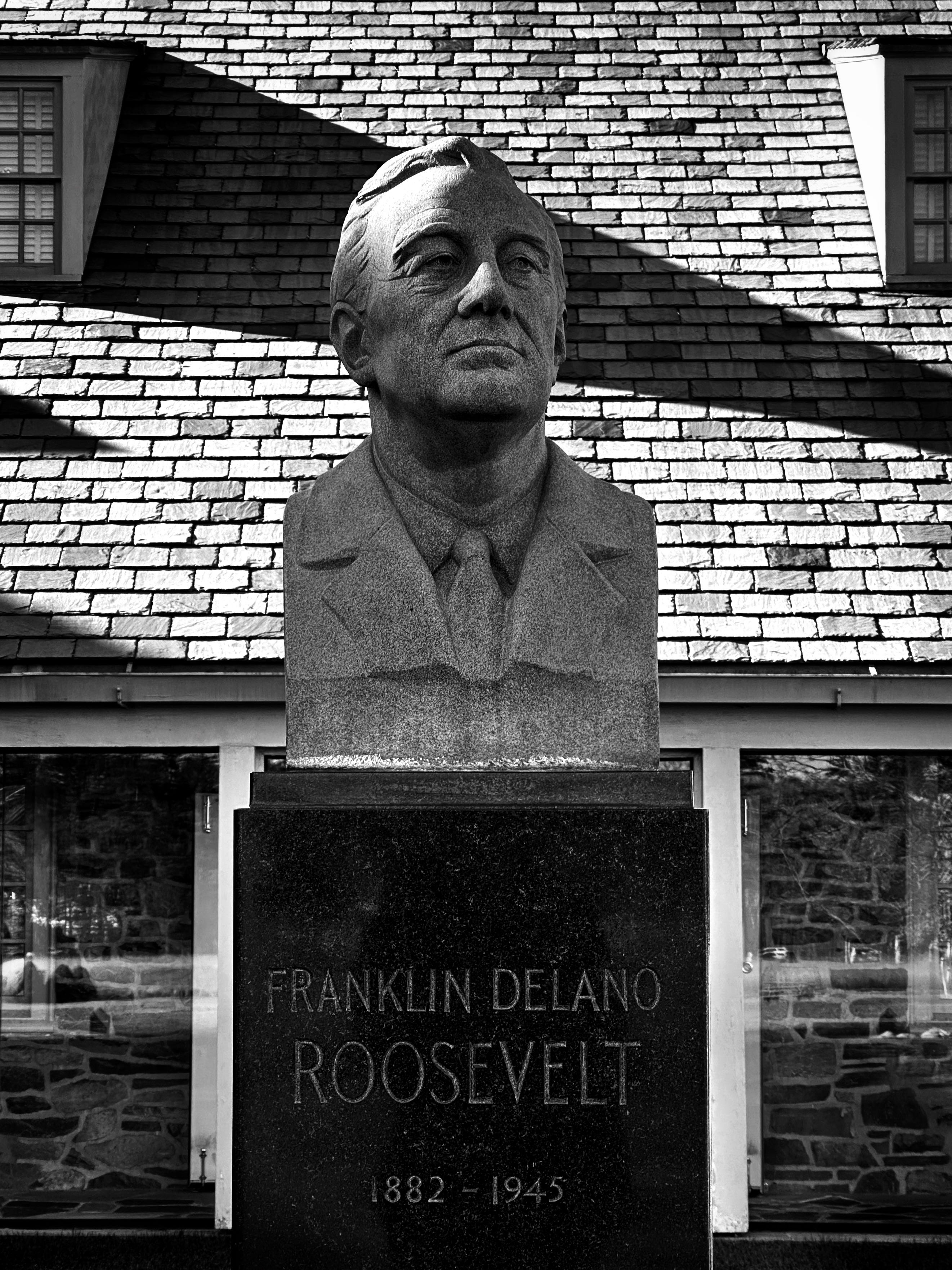
Today marks exactly 85 years since the Franklin D. Roosevelt Presidential Library and Museum officially opened to the public on June 30, 1941. While FDR is most often recognized for navigating the United States through the Great Depression via the New Deal as well as leading the nation through World War II, his contribution to national record-keeping is arguably just as important to the country’s heritage. His library in Hyde Park, New York, houses the remarkable number of records, historical materials, and objects produced and collected by Roosevelt throughout his lifetime.
Prior to Roosevelt’s presidency, a president’s papers were legally considered their personal, private property, a precedent inadvertently set by George Washington when he took his documents back to Mount Vernon after leaving office. While some presidents meticulously cared for their materials, a tragic amount of American history was lost to fire, pestilence, and neglect. For instance, President Zachary Taylor’s papers were burned during the Civil War, President Chester A. Arthur deliberately destroyed his records in garbage cans the day before he died, and the papers of other presidents were eaten by rats or sold piecemeal as souvenirs.
The problem of caring for presidential materials reached a breaking point under FDR. As of a result of his sprawling New Deal bureaucracy, FDR had amassed what he believed was “probably the largest collection of original source material of almost anybody over the last quarter of a century.” A voracious collector of everything from stamps and ship models to rare naval manuscripts, he applied this same rigorous attention to detail to his own executive records.
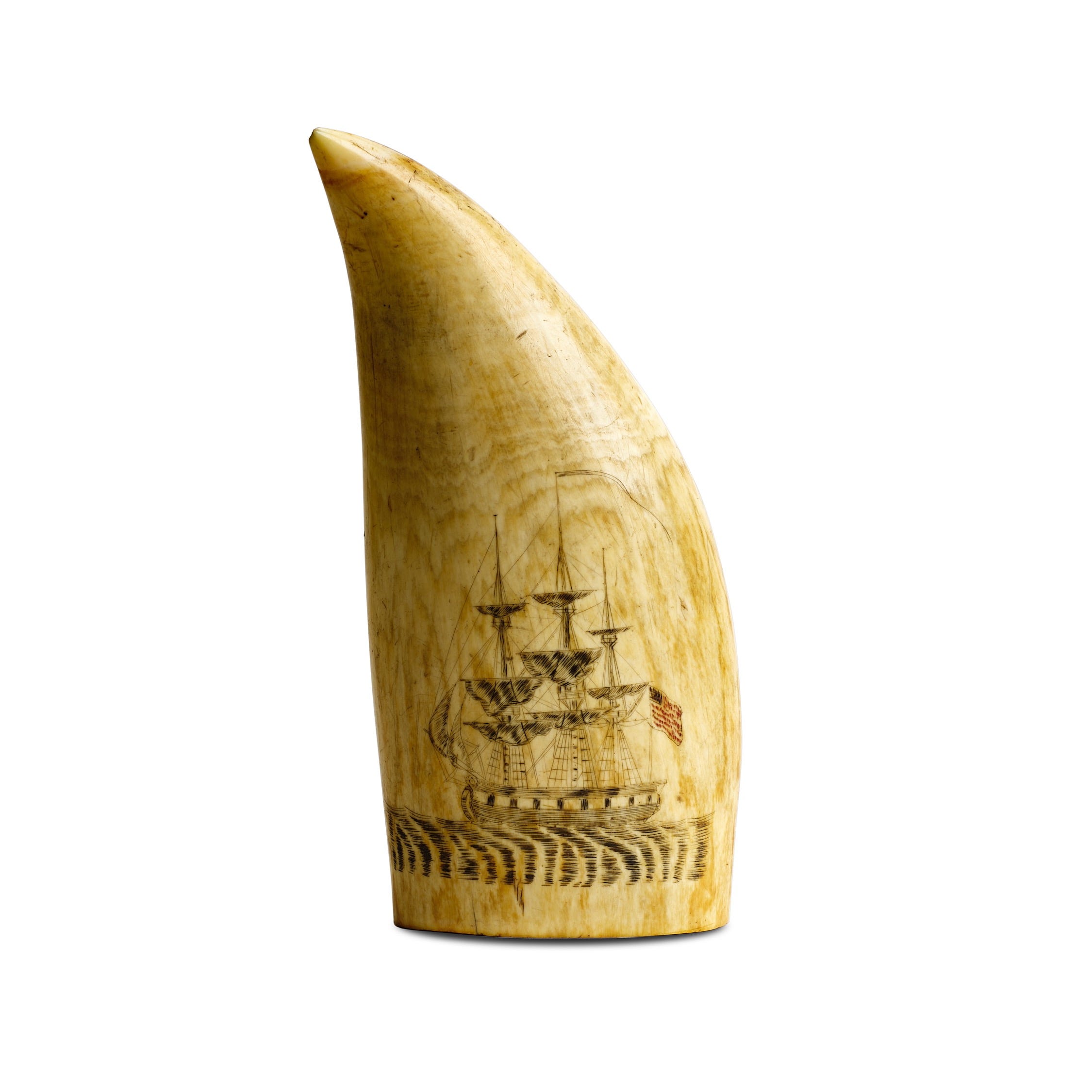
His answer was the creation of a purpose-built research library and museum where the public could pore over the historical record of FDR’s time in office. Recognizing that history is made by many hands, FDR also actively encouraged key members of his administration—such as Harry Hopkins, Frances Perkins, and Henry Morgenthau, Jr.—to donate their papers, ensuring that the full documentary record of the era was collected and housed under a single roof.
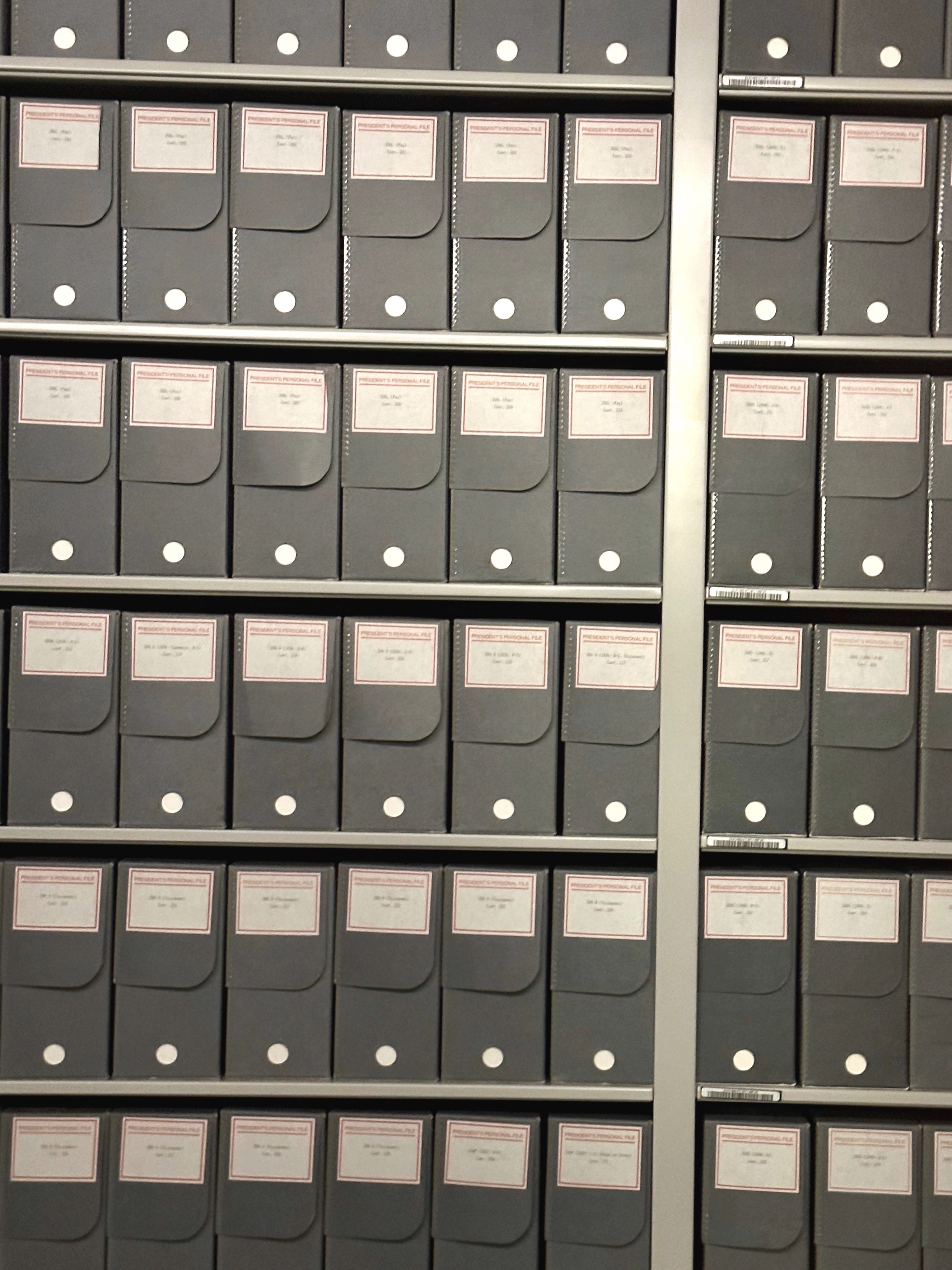
When it came to the actual construction of the library, Roosevelt was famously hands-on and oversaw nearly every aspect of its creation. He selected the site on his family’s estate in Hyde Park, New York, drew the initial architectural sketches, and personally toured the countryside to ensure the native fieldstone matched the region’s historic Dutch Colonial style. His micromanagement even extended to specifying the design of the document boxes used to store records.
Taxpayer money was not used to construct the library. Instead, the $376,000 project was financed entirely through private donations. At the 1939 cornerstone laying ceremony, FDR proudly declared, “This wholly adequate building will be turned over, as you know, to the Government of the United States next summer without any cost whatsoever to the taxpayers of the country”. Once it was completed, FDR donated the physical building, the land, and all of its invaluable contents to the federal government in exchange for it being professionally managed by the newly established National Archives. His faith in the new agency all but cemented its role as the nation’s record keeper.
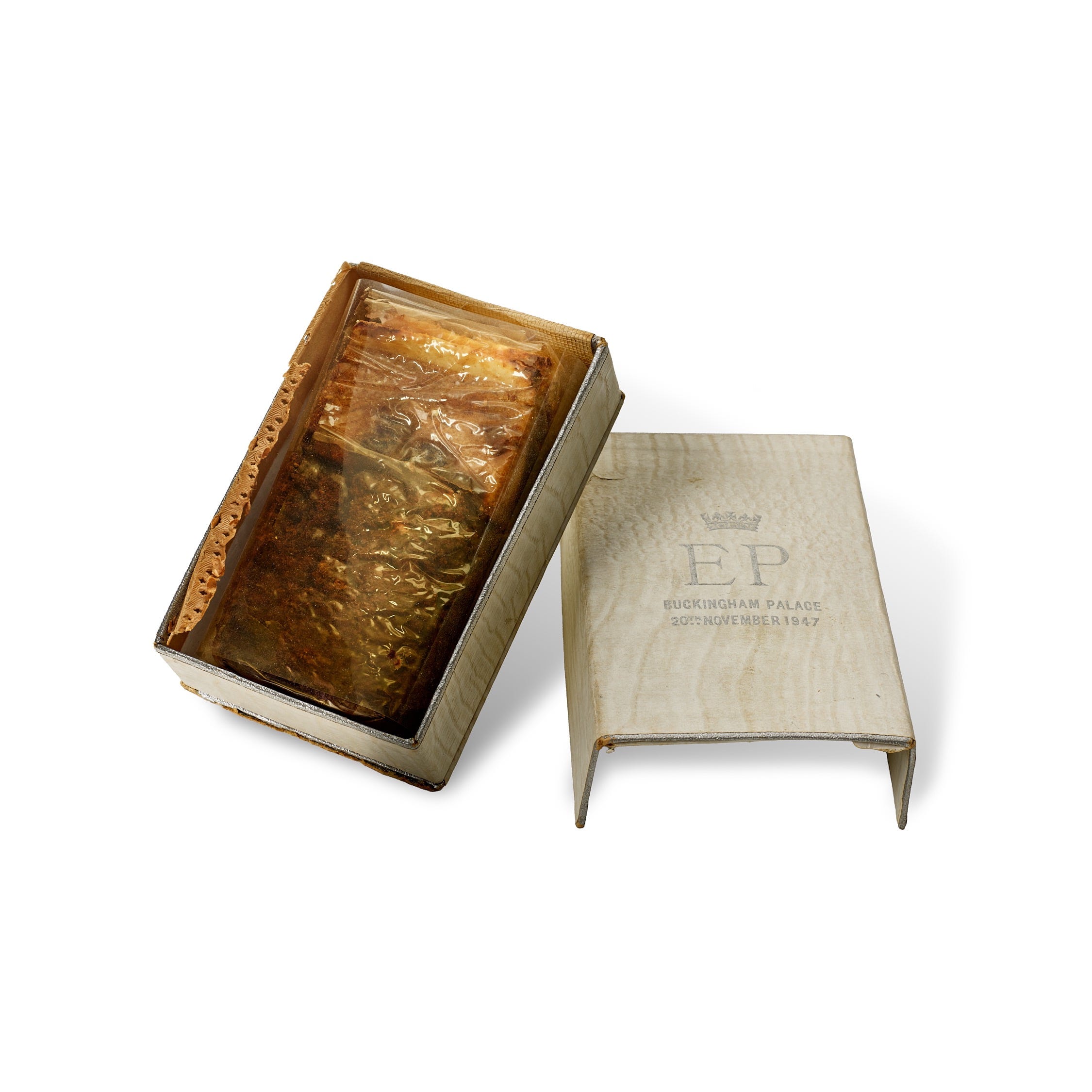
When the library opened in 1941, admission was just 25 cents and included access to a museum filled with historic artifacts. This included what FDR affectionately dubbed his “Oddities Room”—a gallery dedicated to the unusual and sometimes bizarre gifts sent to him by the public. When an advisor worried that too much space was being given to museum displays rather than archives, Roosevelt characteristically defended the decision, replying, “Well, you know if people have to pay a quarter to get into the library they will want to see something interesting inside”.
Because Roosevelt remained in office until his death in 1945, he remains the only president to work from his own presidential library while still in office. He would frequently visit the library to organize this papers and delivered several of his “fireside chats” from his private study.
Following FDR’s death, President Harry S. Truman recognized the brilliance of FDR’s library and followed suit. While planning his own library, Truman lobbied and pursued the passage of what became the Presidential Libraries Act of 1955 which formalized FDR’s system for future chief executives. Every president until Barack Obama followed this model and donated their records and physical libraries to the federal government. Today, this network of presidential libraries administered by the National Archives serves as a critical civic resource for scholarship. Each year countless historians, biographers, journalists, and everyday citizens visit these sites to better understand the presidency and events that shaped the course of American history.
But today the presidential library system is facing new challenges. The ethos of public ownership—solidified by the Presidential Records Act of 1978, which legally converted presidential materials from private to public property—is now being challenged in court. And, the idea of a traditional physical library is evolving as recent presidents have opted out of the physical library system managed by the National Archives, choosing instead to build privately run museums and centers. Yet, FDR’s foundational belief in preserving history remains powerfully relevant today. As he noted when dedicating the library, “To bring together the records of the past and to house them in buildings where they will be preserved for the use of men and women in the future, a Nation must believe in three things. It must believe in the past. It must believe in the future. It must, above all, believe in the capacity of its own people so to learn from the past that they can gain in judgment in creating their own future”.
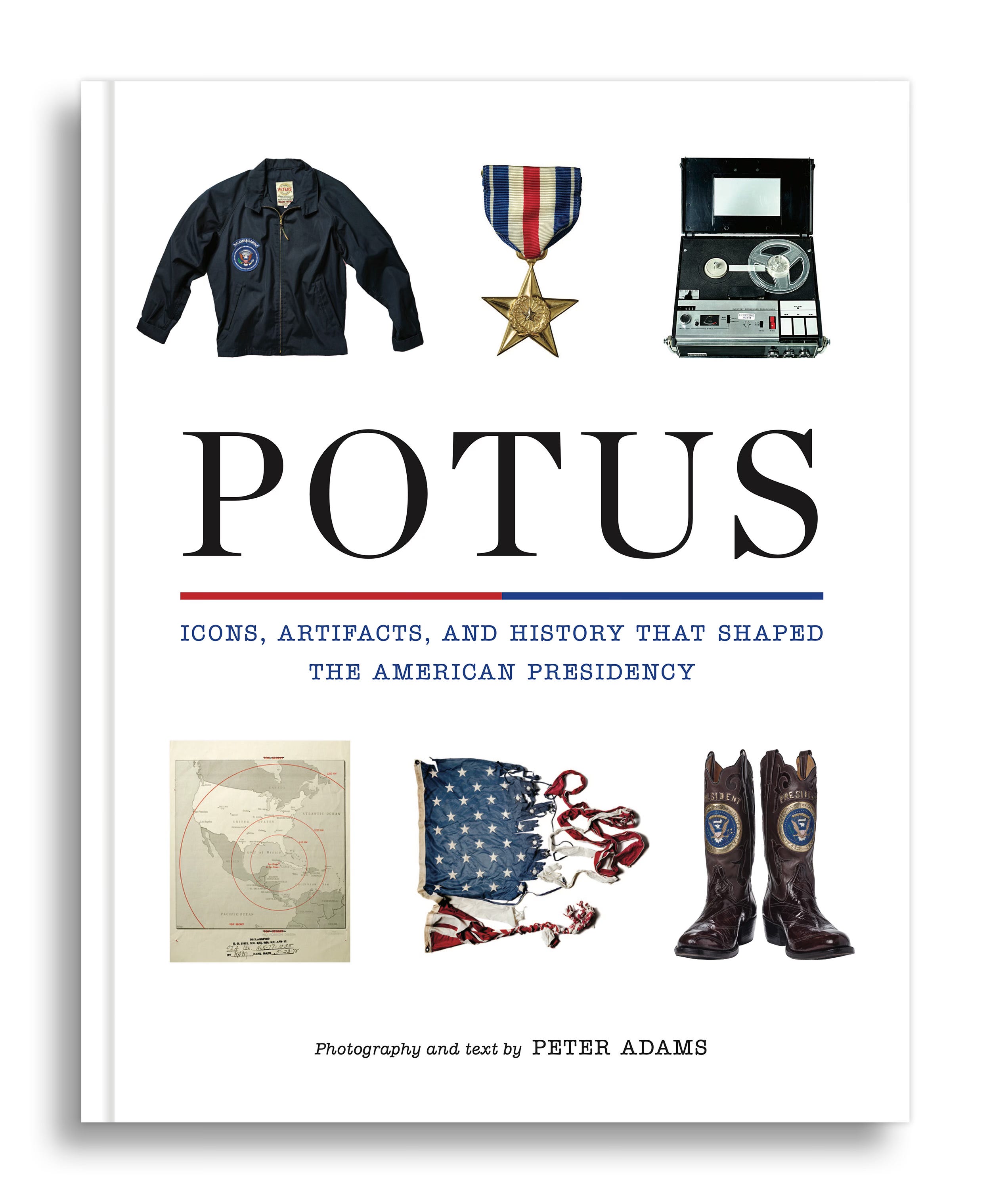
As Americans, we owe a great debt to FDR for bringing the presidential library system into existence. I say this not just because my forthcoming book explores the incredible treasures housed within these institutions, but because they safeguard the factual foundation of our democracy. Without them, our national records could easily slip back into private hands, where they might be rewritten, scattered, or destroyed.
FDR foresaw this danger. Speaking at his library’s dedication in the summer of 1941, he told the assembled crowd that he viewed the establishment of a presidential archive not merely as an act of historical preservation, but as a defiant bulwark against fascism. “And this latest addition to the archives of America is dedicated at a moment when government of the people by themselves is being attacked everywhere,” he warned. He ultimately declared, “It seems to me that the dedication of a library is in itself an act of faith.”
If you enjoyed this post, please consider buying my book:
God knows we need a place dedicated to archiving the facts!