
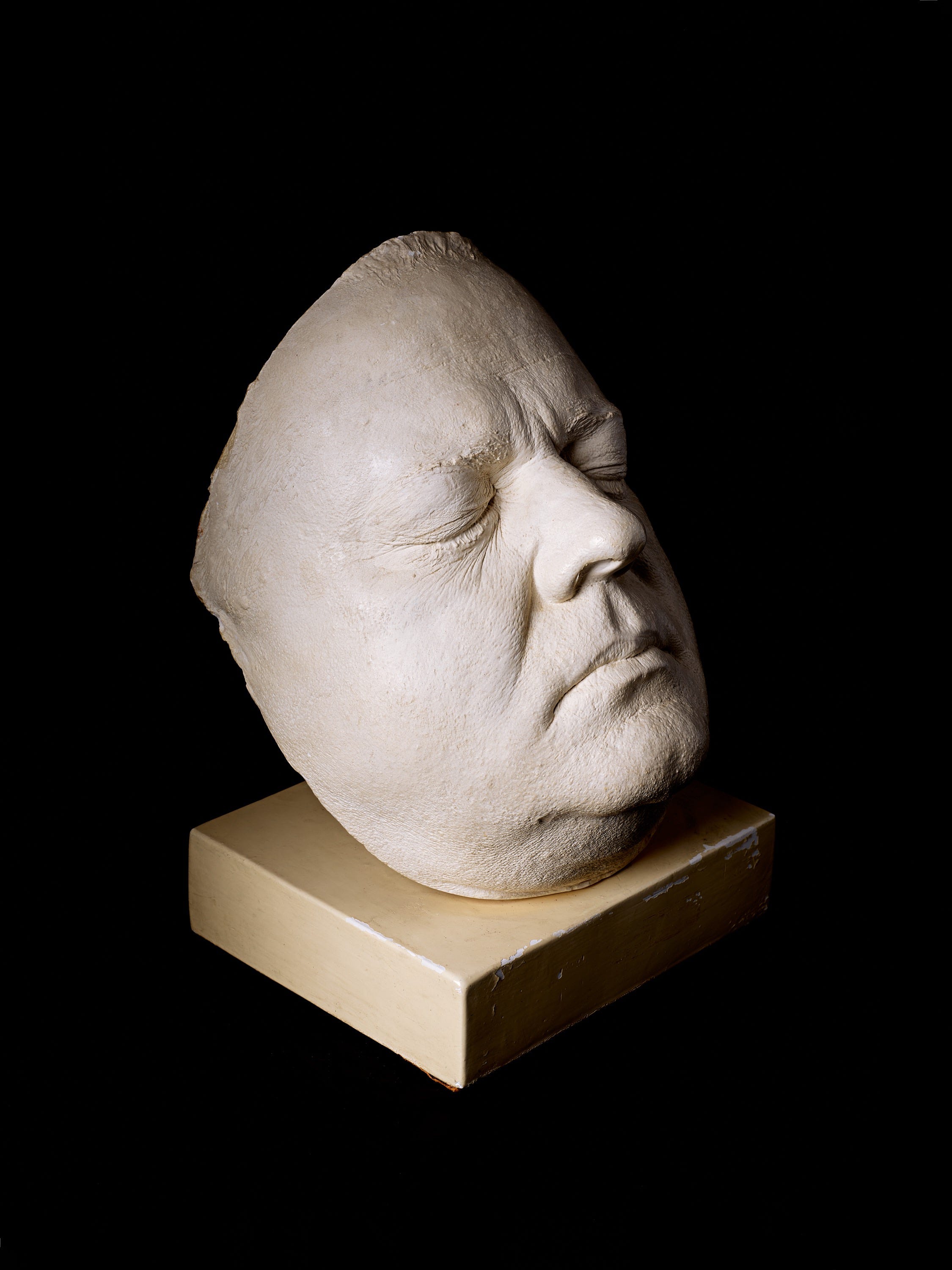
Today Herbert Hoover would be 152 years old, an age that I think would suit him just fine, so long as he was able to go fishing, smoke cigars, and drink his requisite two martinis a day. He would be especially pleased this year knowing that his presidential library and museum just reopened after a major $20.3 million renovation. Only a modest 2,300 square feet of space was added, but more notably, the museum was redesigned to tell the full story of First Lady Lou Henry Hoover. As someone who has long been fascinated with Lou, I’m excited to see the new museum, which is arguably the first of any presidential library to treat a First Lady as a co-equal subject alongside her husband.
I spent two days in West Branch photographing Hoover’s presidential materials for my book, POTUS: Icons, Artifacts, and History That Shaped the American Presidency. The book begins with Hoover who, for me, represents the start of the modern technocratic presidency that we know today. But over the course of my research, I came to the conclusion that Herbert Hoover might be the most misunderstood president—and figure—of the twentieth century.
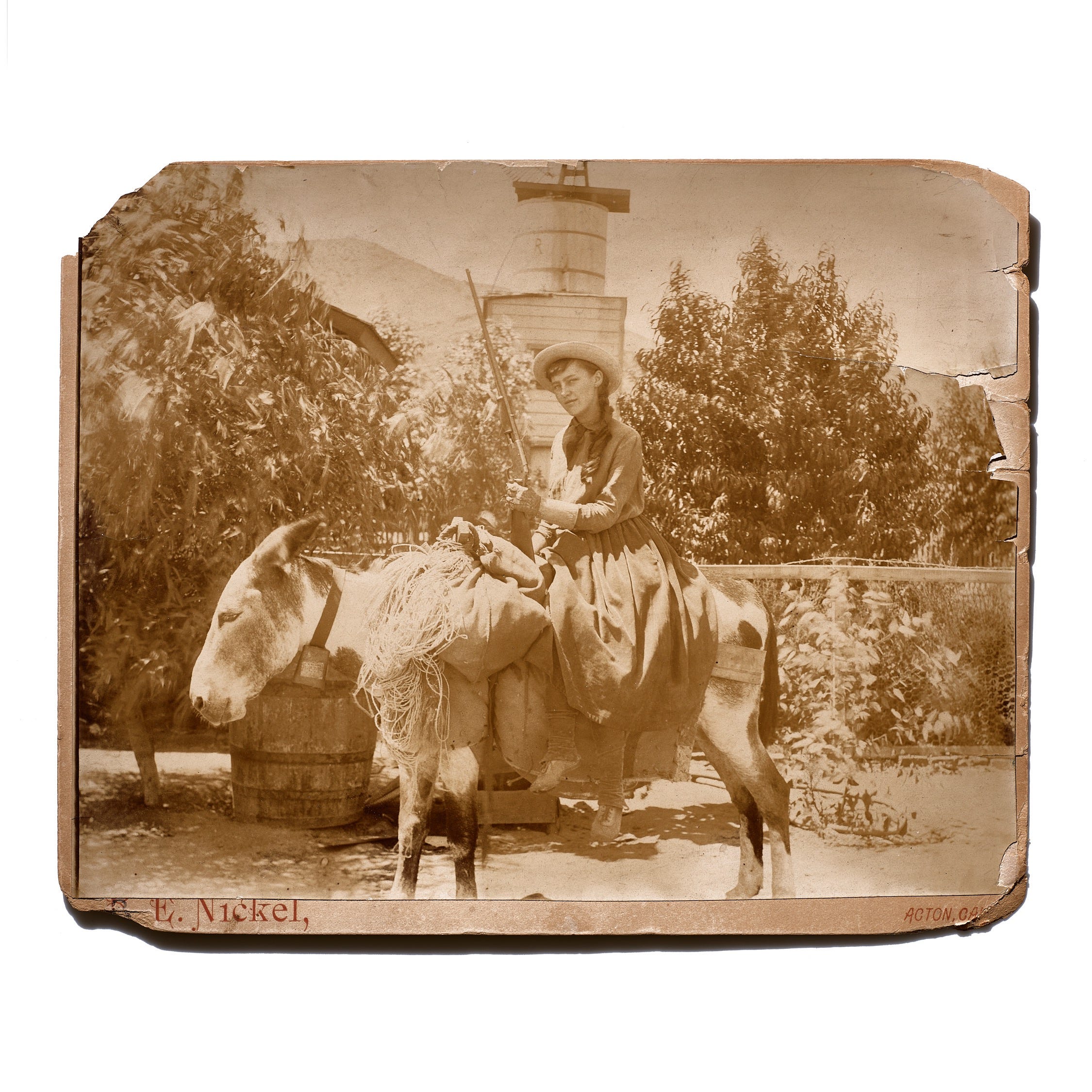
Popular culture has largely reduced Hoover to the villain of the Great Depression. While he certainly deserves his fair share of criticism for how he responded to the crisis, the reality was that it was a truly unprecedented event. No president had ever faced so severe an economic crisis before, and there was simply no way to put an end to it quickly. In fact, the Great Depression lingered throughout most of the 1930s—well after Hoover left office. Even FDR had a hard time bringing it to a close and inadvertently caused a biting recession as late as 1938. It was the enormous deficit spending at the outset of World War II that is now widely credited with finally ending the Depression a full decade after it began.
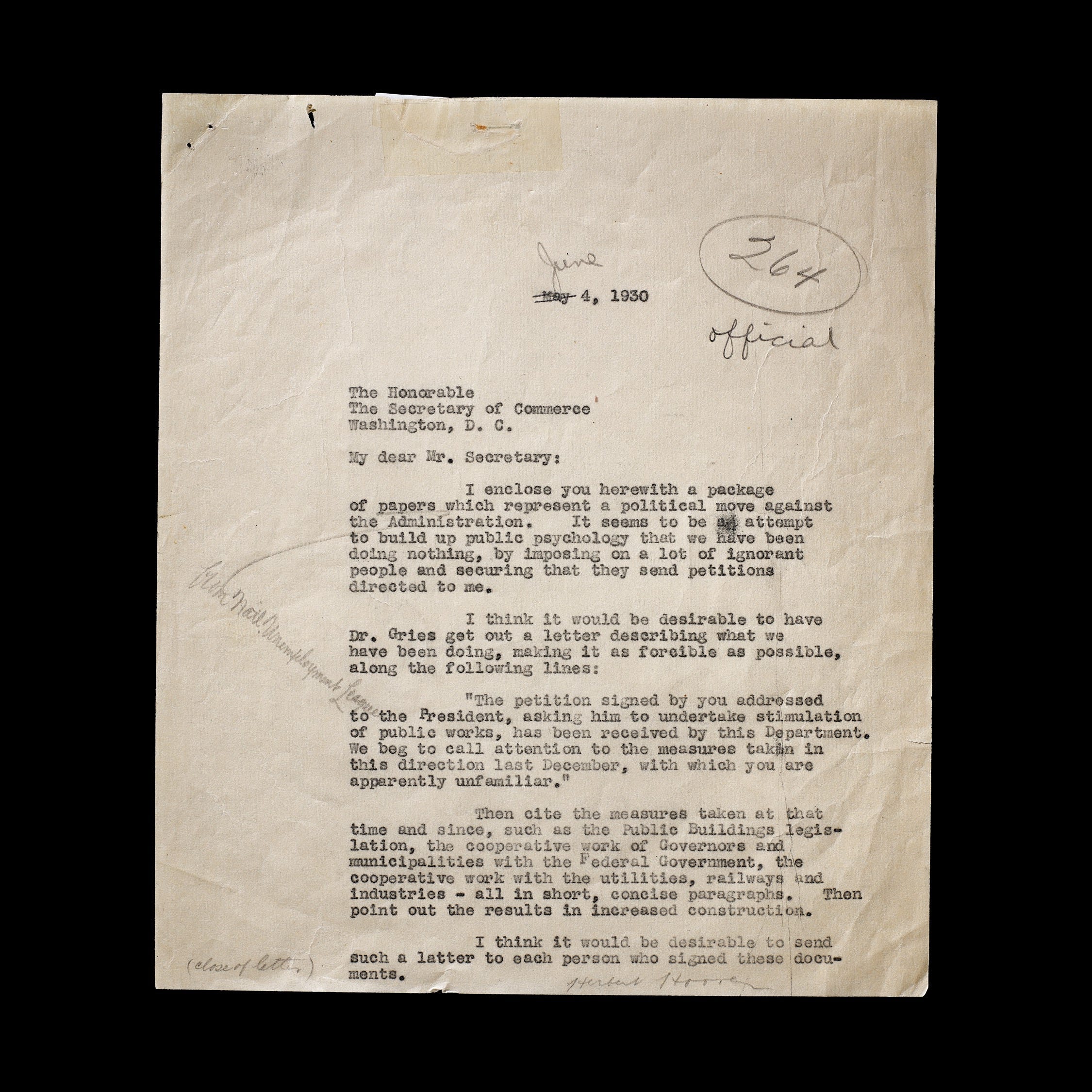
All of this to say, the caricature of Hoover as the unsympathetic president who sat idly by as the Great Depression hollowed out the livelihoods of millions of Americans does not square with the factual record. In fact, the opposite is true. Herbert Hoover was probably the greatest humanitarian who ever lived.
Prior to becoming president, Hoover used his wealth and expertise to establish a massive food relief program during World War I that saved millions of people from starving to death in German-occupied Belgium. His efforts as a private citizen were so successful that President Wilson brought him into his administration as Food Czar and later appointed him as the head of the American Relief Administration. Under Hoover the ARA provided food and relief to tens of millions of people in 20 war-torn countries—including 14 million children. After the ARA began feeding Europe, Hoover extended its efforts eastward to confront the catastrophic 1921 famine that struck emerging Soviet Russia. Once again, faced with the prospect of mass starvation, Hoover forged an agreement with the Bolsheviks that led to ARA kitchens feeding more than 10 million people a day across the region.
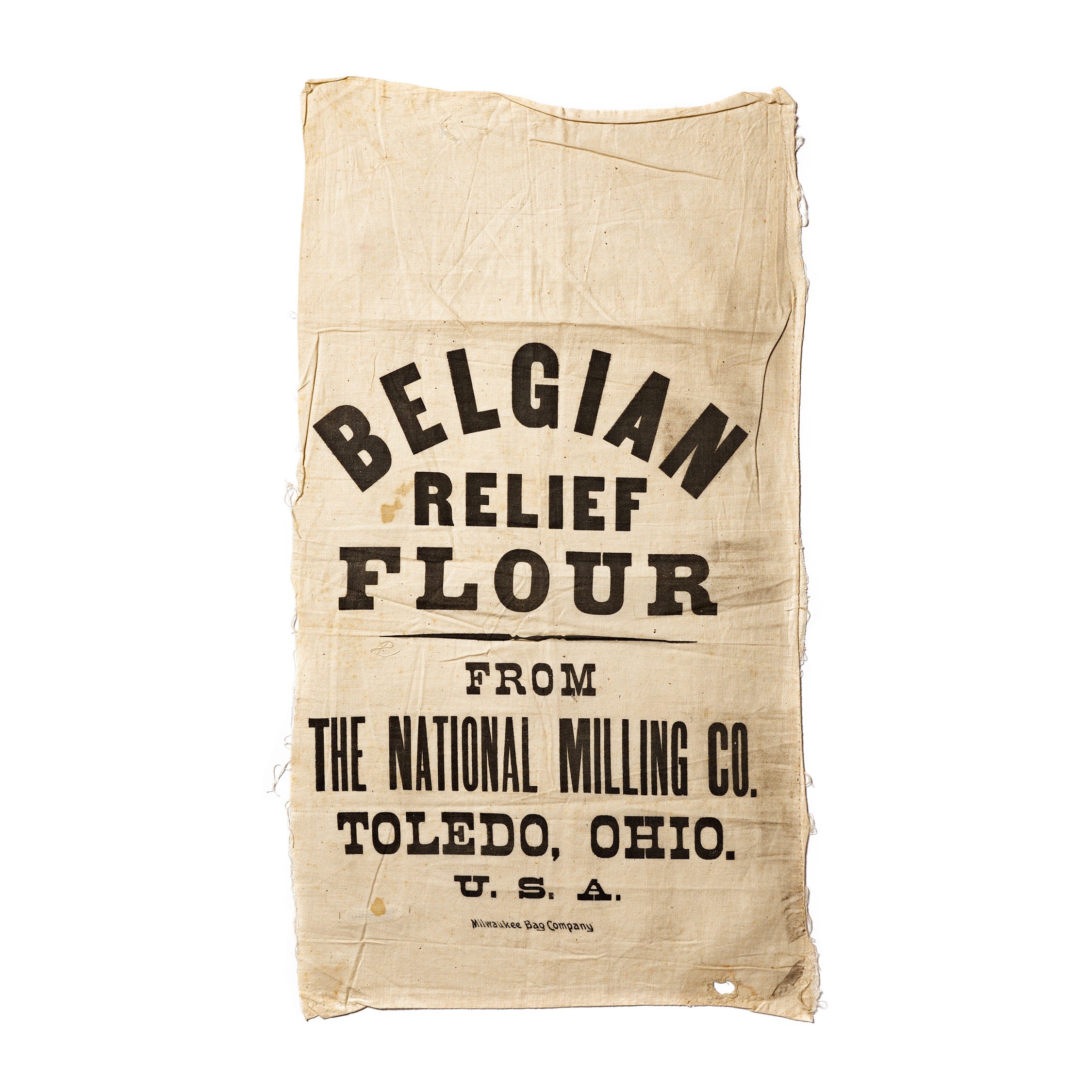
And that was just World War I.
Following the end of World War II, President Truman tapped Hoover to once again organize food relief efforts across post-war Europe. At the age of 71, Hoover personally embarked on a survey of 38 countries to assess their food needs and set up relief networks. His efforts saved the lives of hundreds of millions who risked starvation.
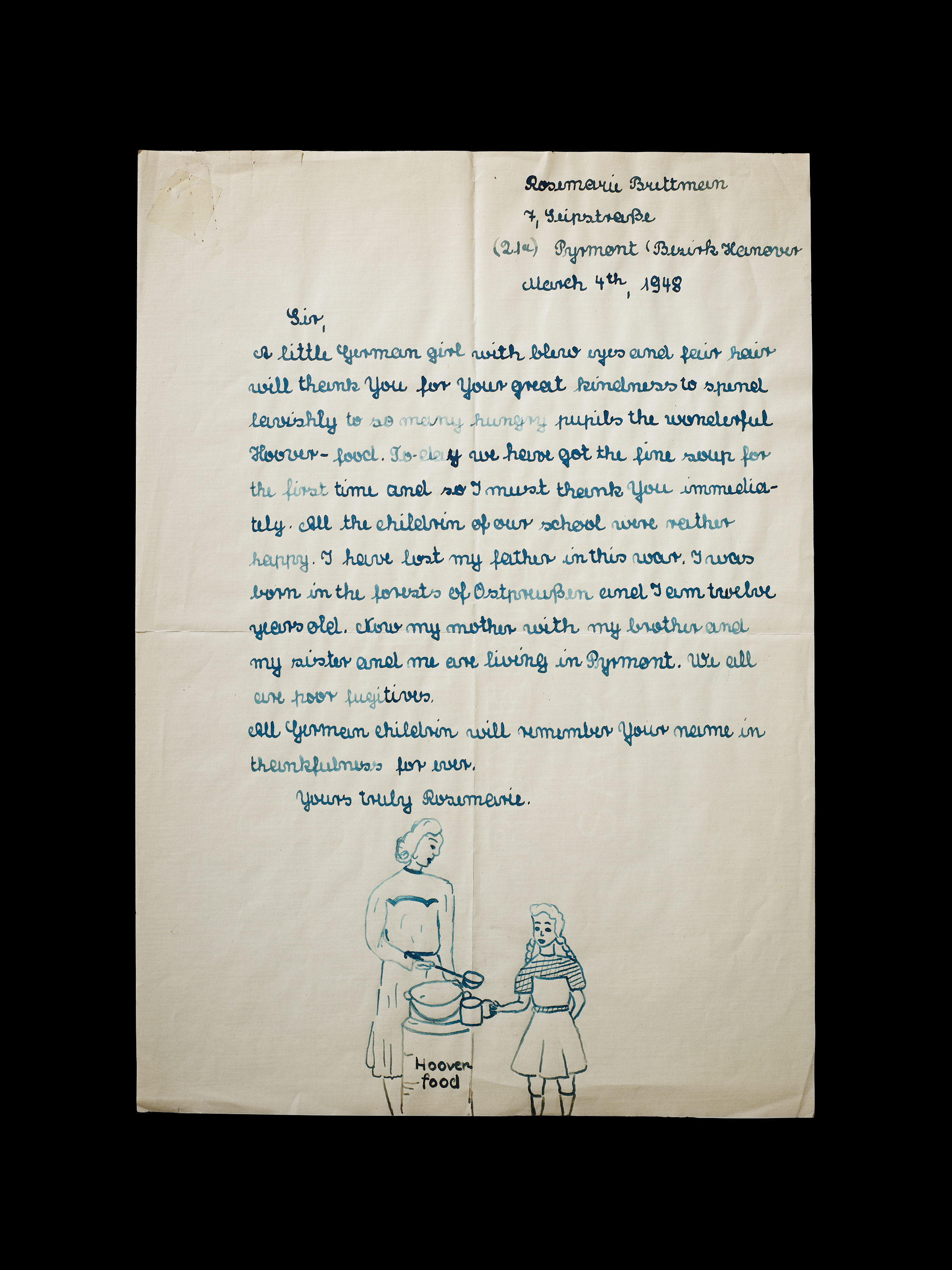
When you look at all of Hoover’s humanitarian efforts, it’s not wild to think that he might be responsible for saving more lives than anyone in human history. The dichotomy between hero and villain is precisely what makes him one of the most interesting and misunderstood figures of the twentieth century.
Hoover died in 1964, just two years after the dedication of his presidential library. Anyone who has spent time there poring over his materials inevitably comes to appreciate his complex story and unprecedented feats of humanitarianism. In an era when today’s billionaires possess more wealth and global influence than ever before, it raises the question we should all be asking: Where is the next Herbert Hoover?

If you enjoyed this post, please consider buying my book: