


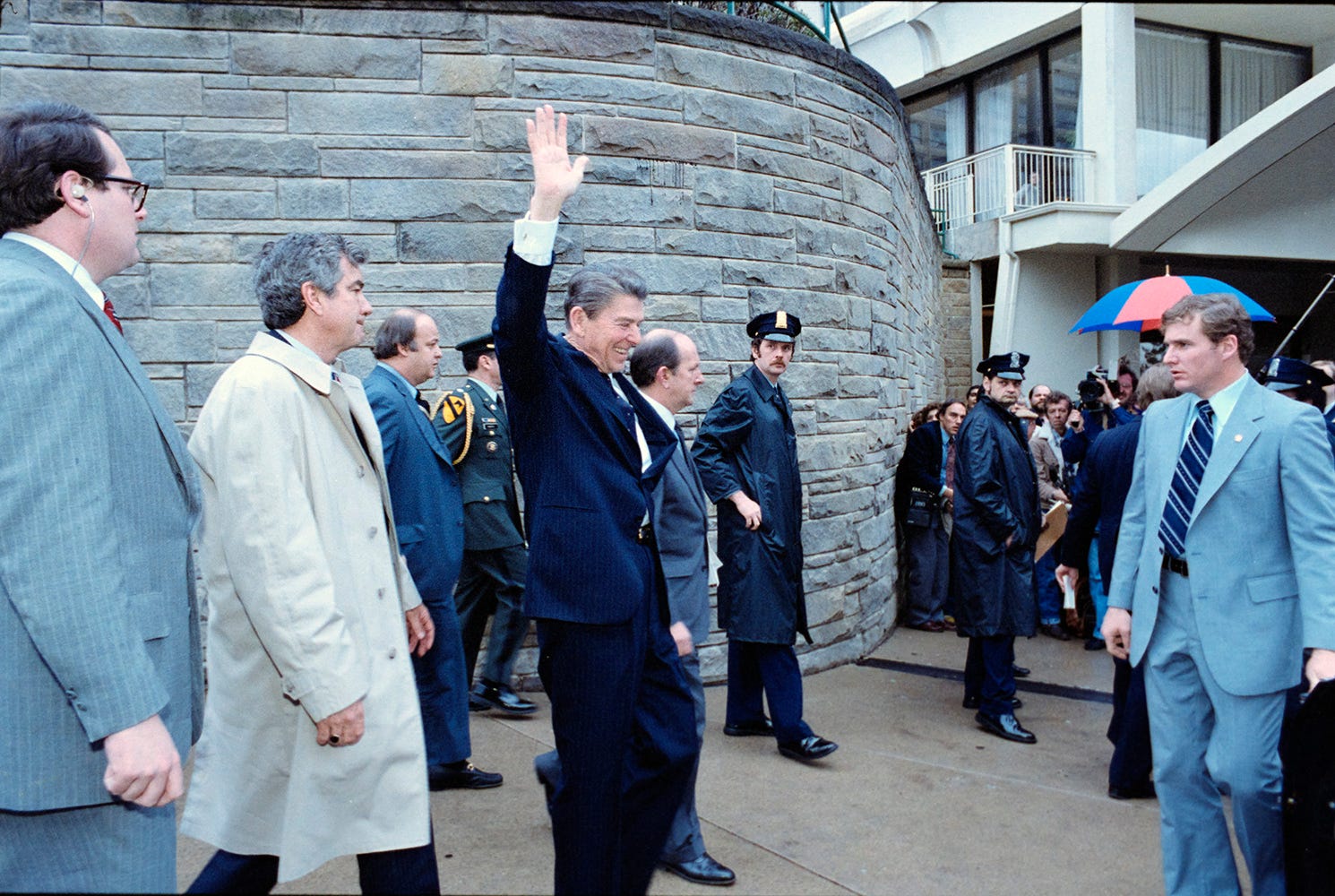
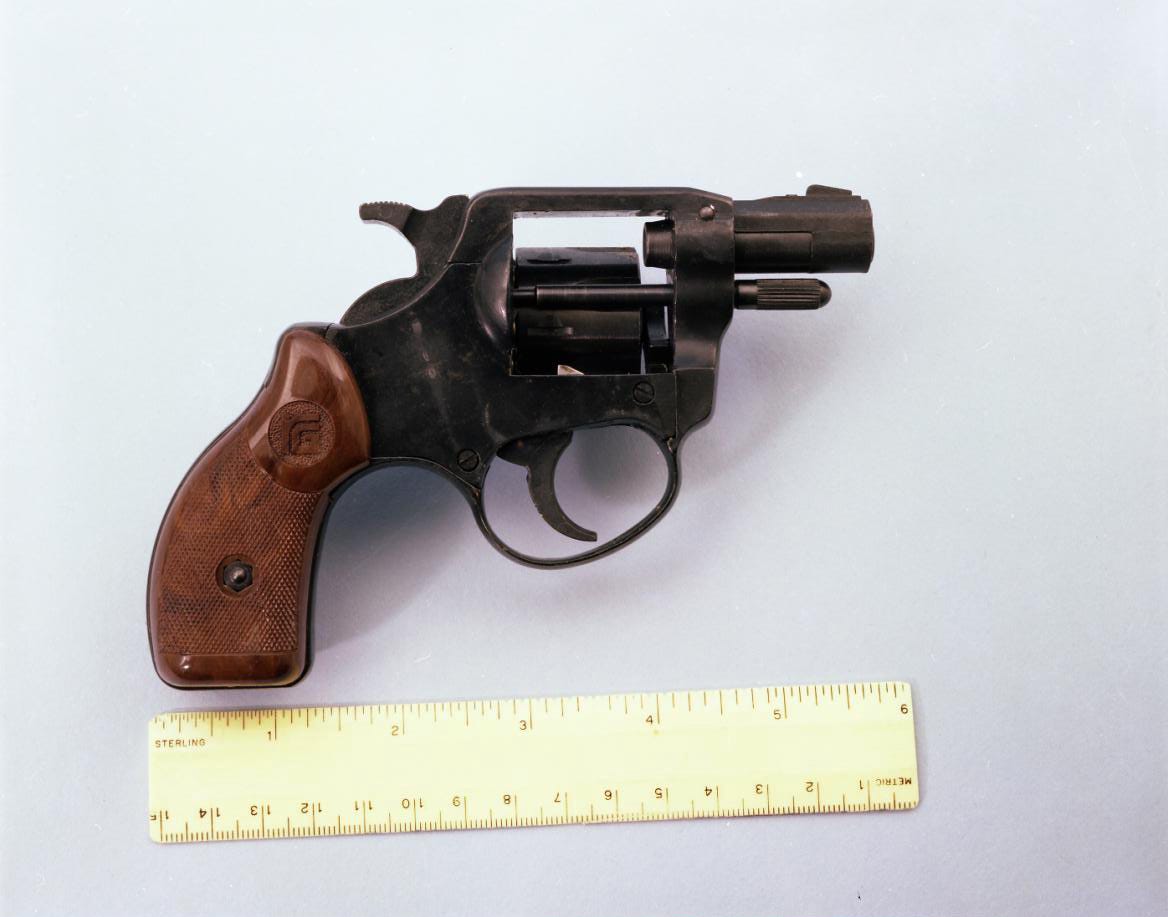
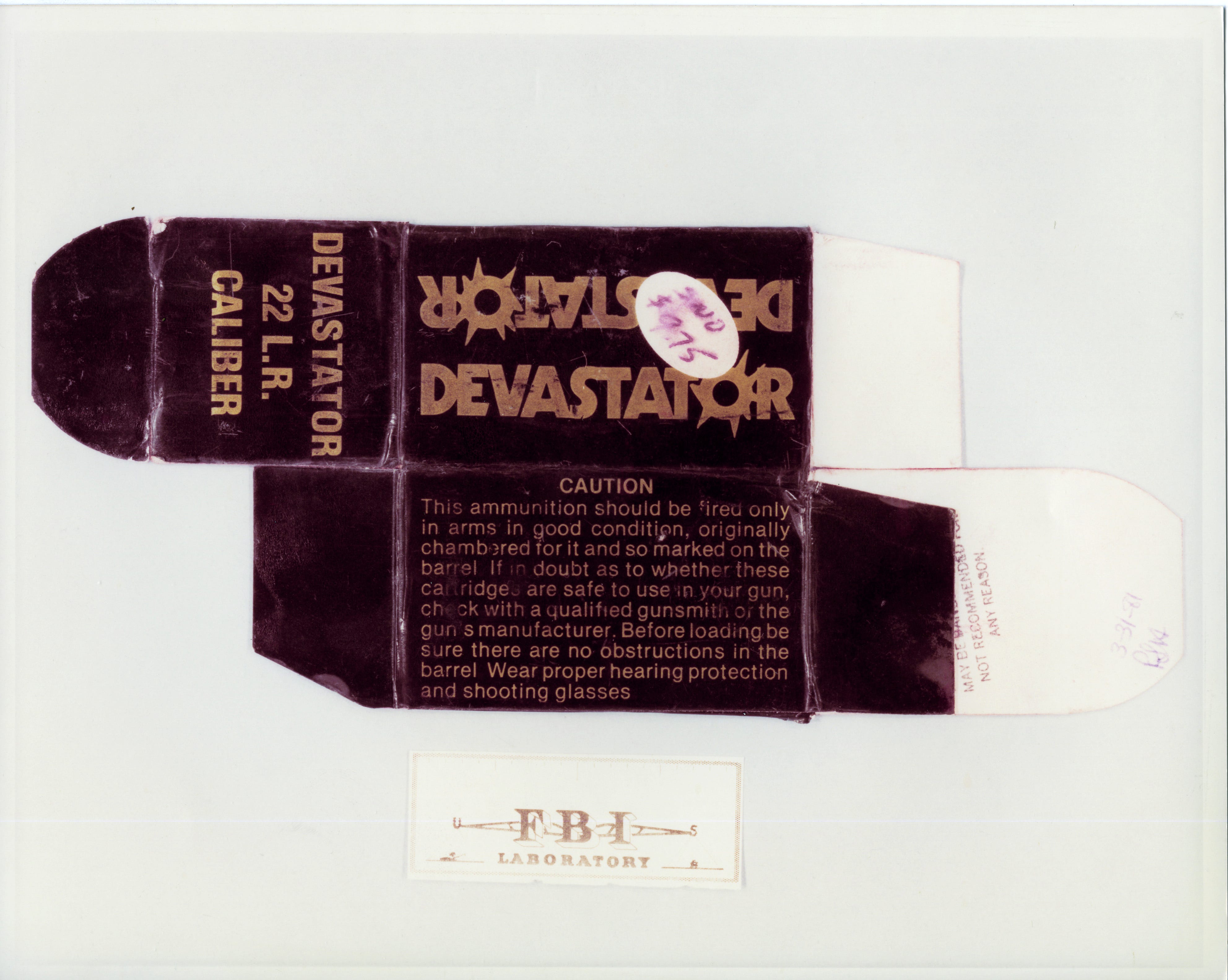
On March 30, 1981, President Reagan was shot by John Hinckley Jr. while exiting the Washington Hilton. Reagan had just delivered a speech to members of the AFL-CIO trade union when Hinckley fired six shots from a .22 caliber revolver from just 15 feet away. What should have been a routine movement from the hotel to the presidential limousine almost ended in tragedy.
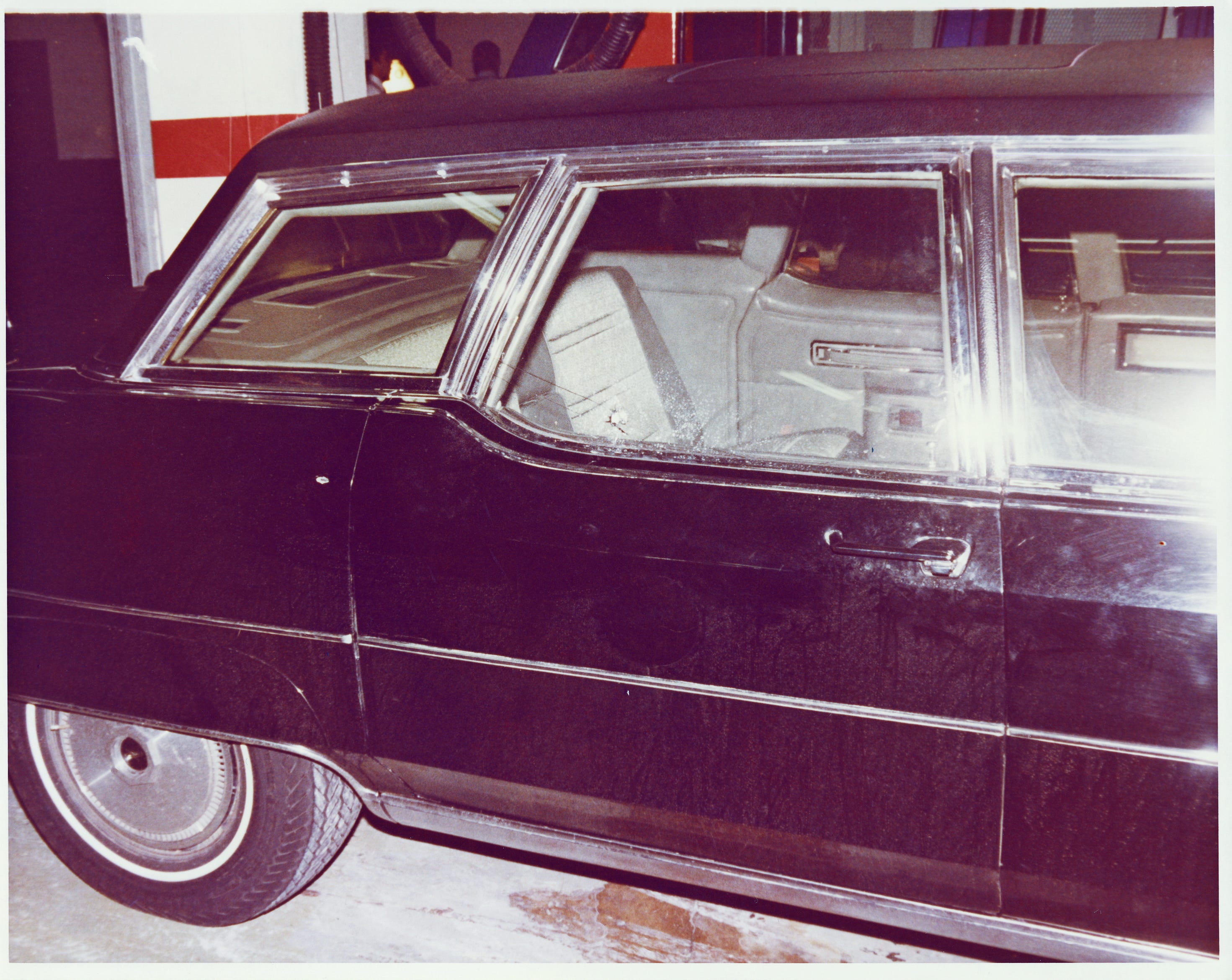
In less than two seconds, Hinckley managed to breach the security line and severely wound four people, including the President. The first shot struck White House Press Secretary James Brady in the forehead, critically injuring him. The second round hit D.C. police officer Thomas Delahanty in the back of the neck, causing him to collapse on the sidewalk, while the third shot missed the president and hit a window across the street. Agent Tim McCarthy, who bravely spread himself in front of Reagan, was hit in the chest by the fourth bullet before Hinckley’s fifth round hit the window of the armored limo.
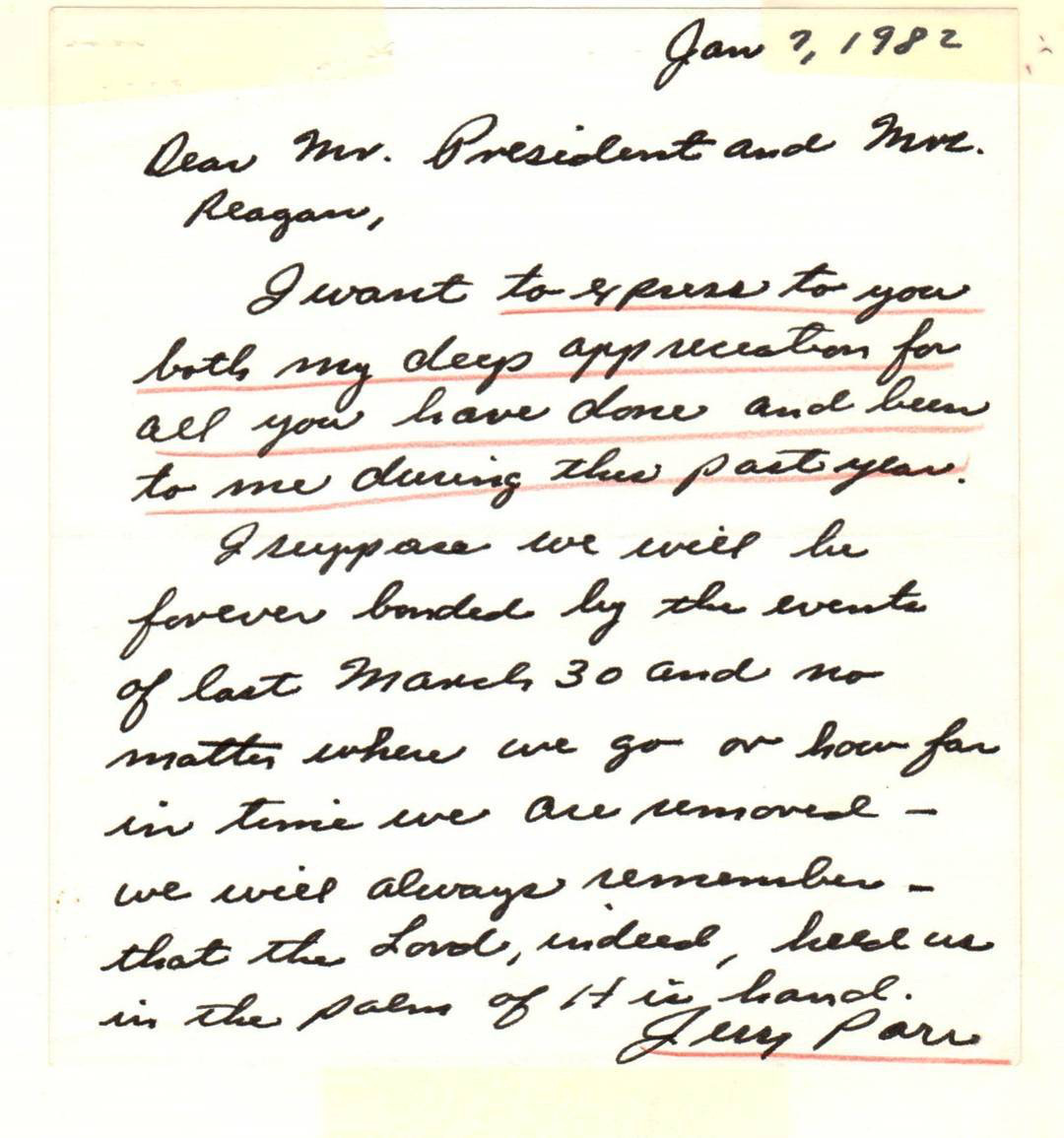
Jerry Parr, the agent in charge of the Presidential Protective Detail, reacted at the sound of the first shot by grabbing Reagan and shoving him head-first into the open rear door of the presidential limousine.
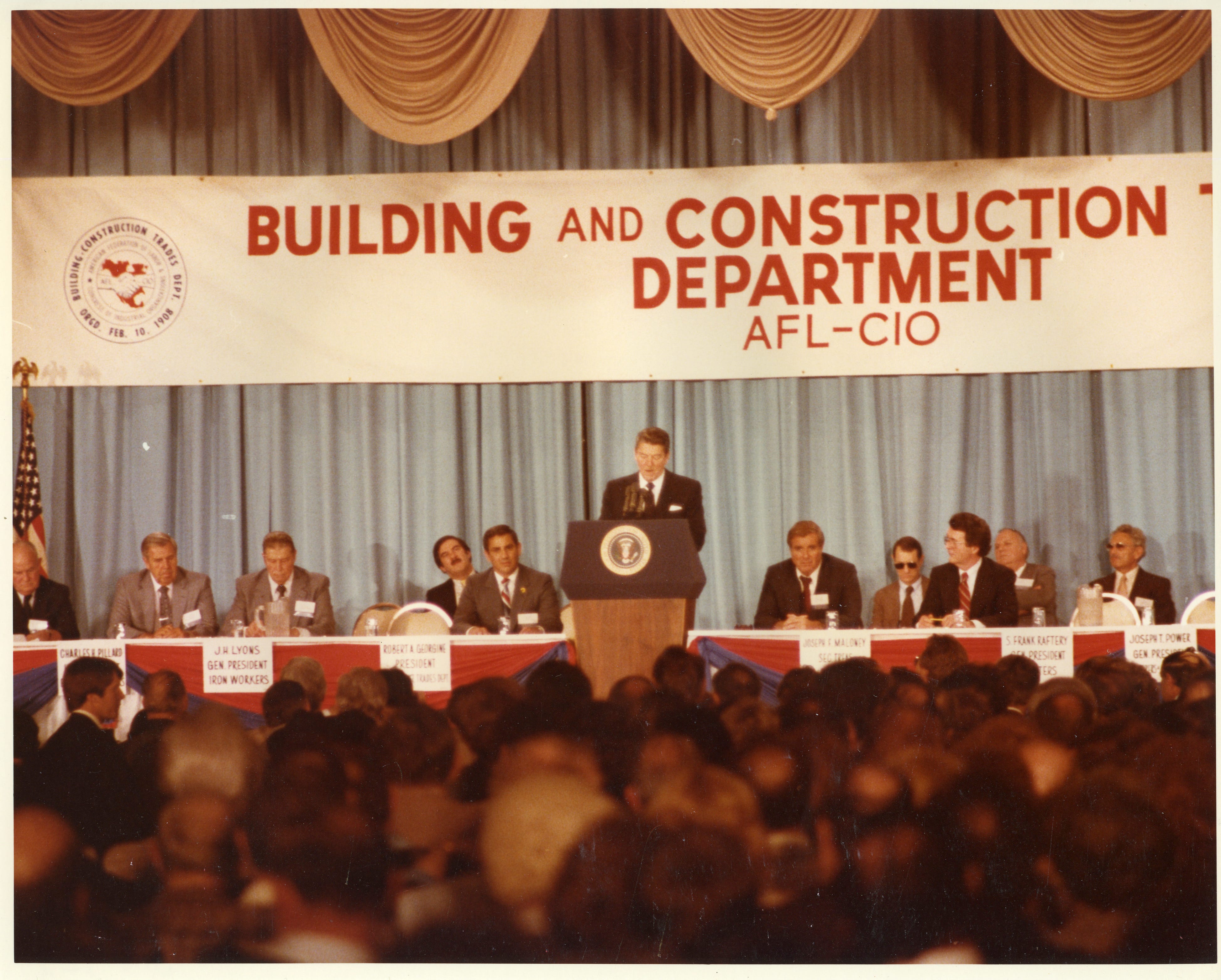
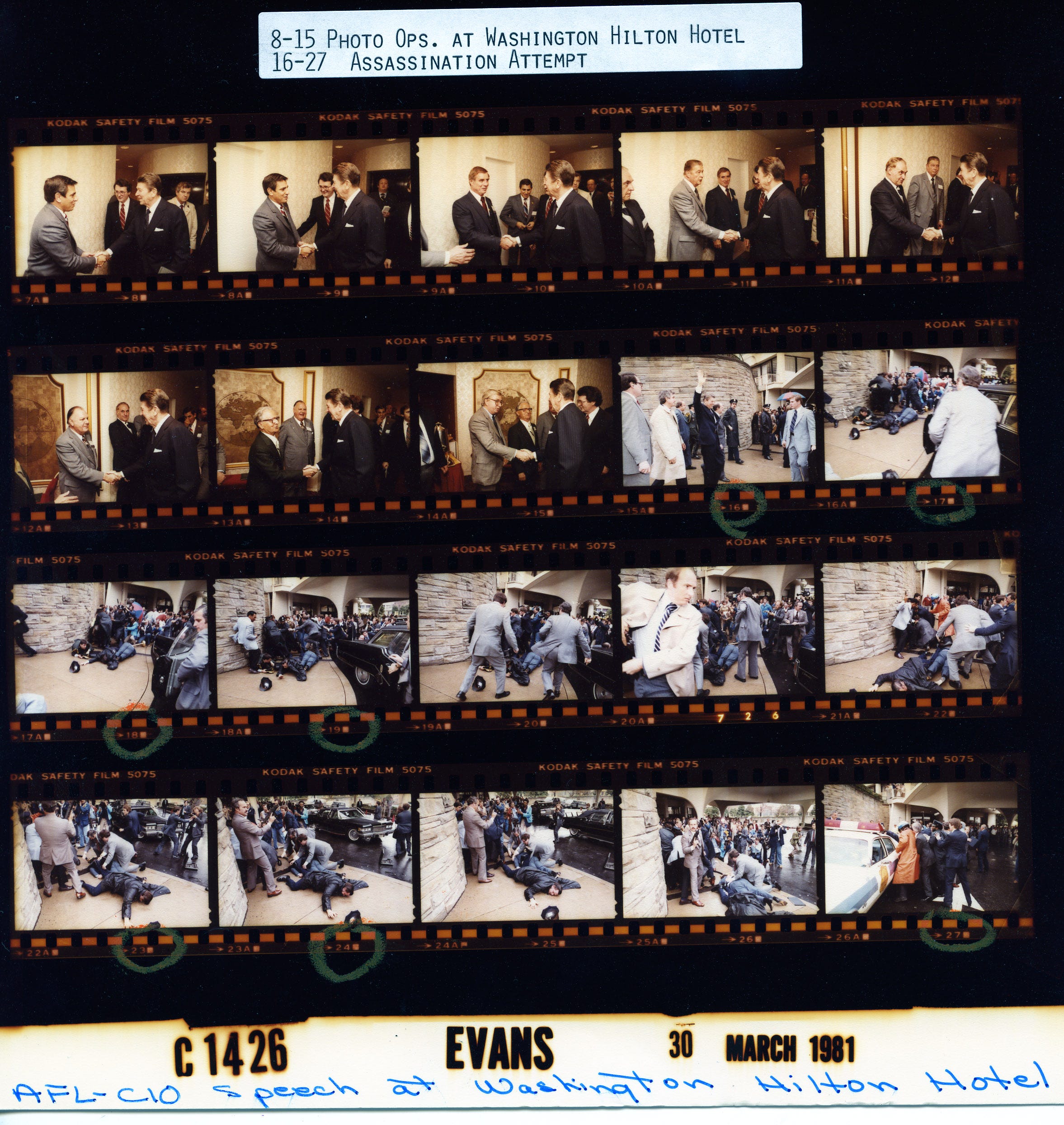
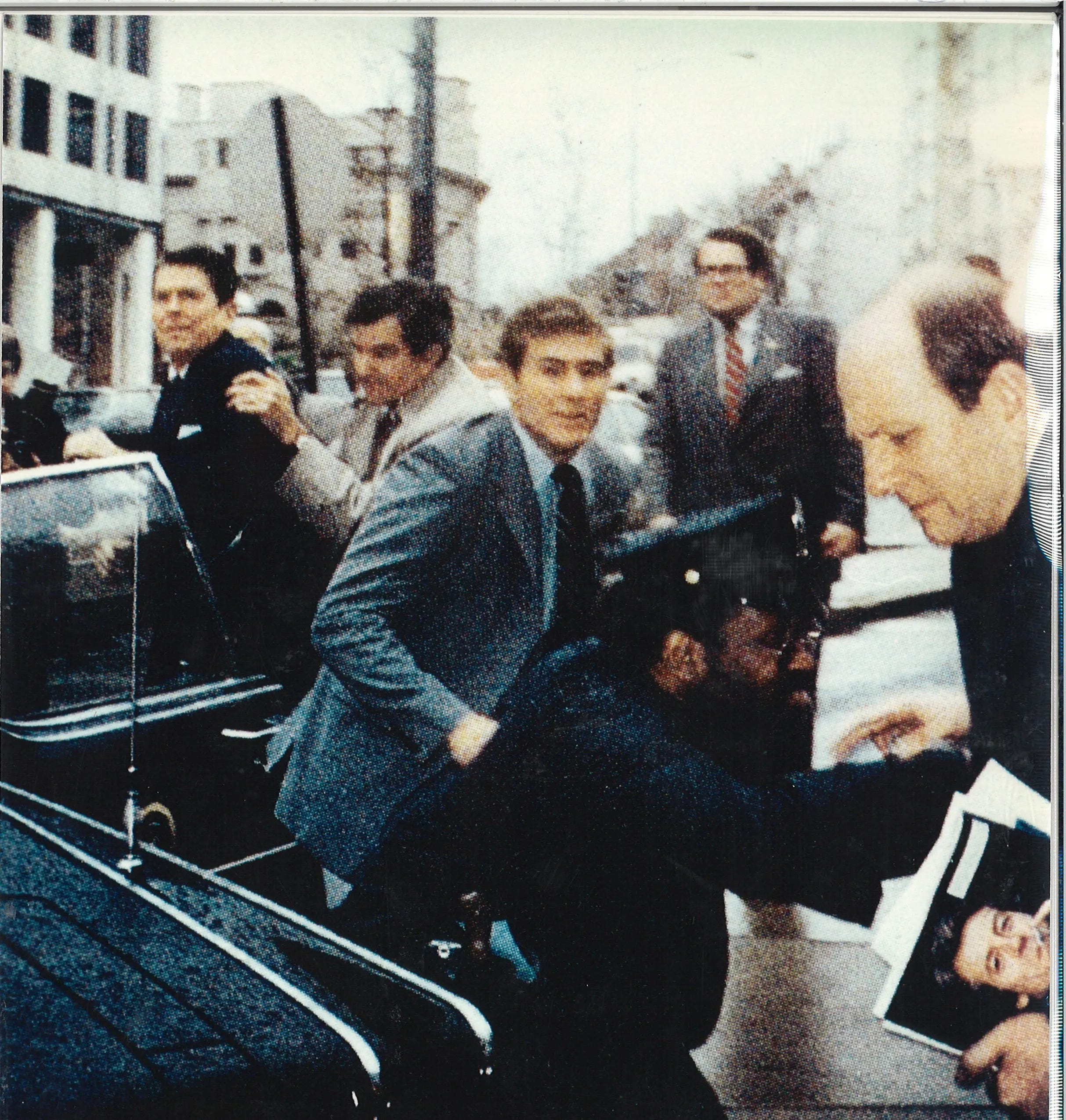
At first, no one realized the President had been shot. It wasn’t until Parr noticed bright, frothy blood on Reagan’s lips—a classic sign of a lung injury—that they headed directly for the hospital. While Reagan and Parr were initially unaware, the bullet from Hinckley’s sixth and final shot had ricocheted off the limousine and struck Reagan under his left arm, where it punctured his lung and stopped less than an inch from his heart. As he was rushed into the operating room, the President attempted to defuse the gravity of the situation with humor, saying to the doctors, “Please tell me you’re all Republicans.”
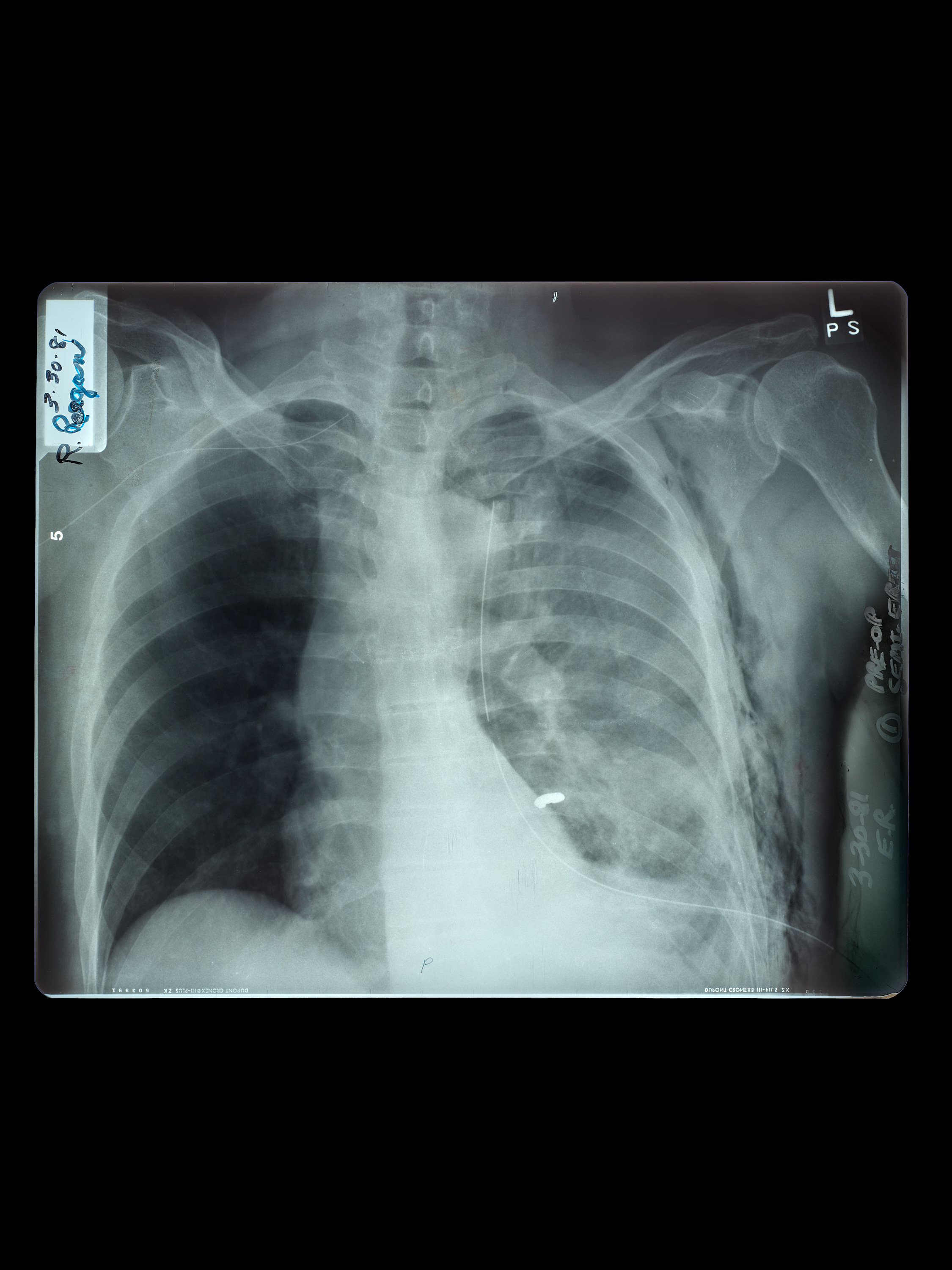
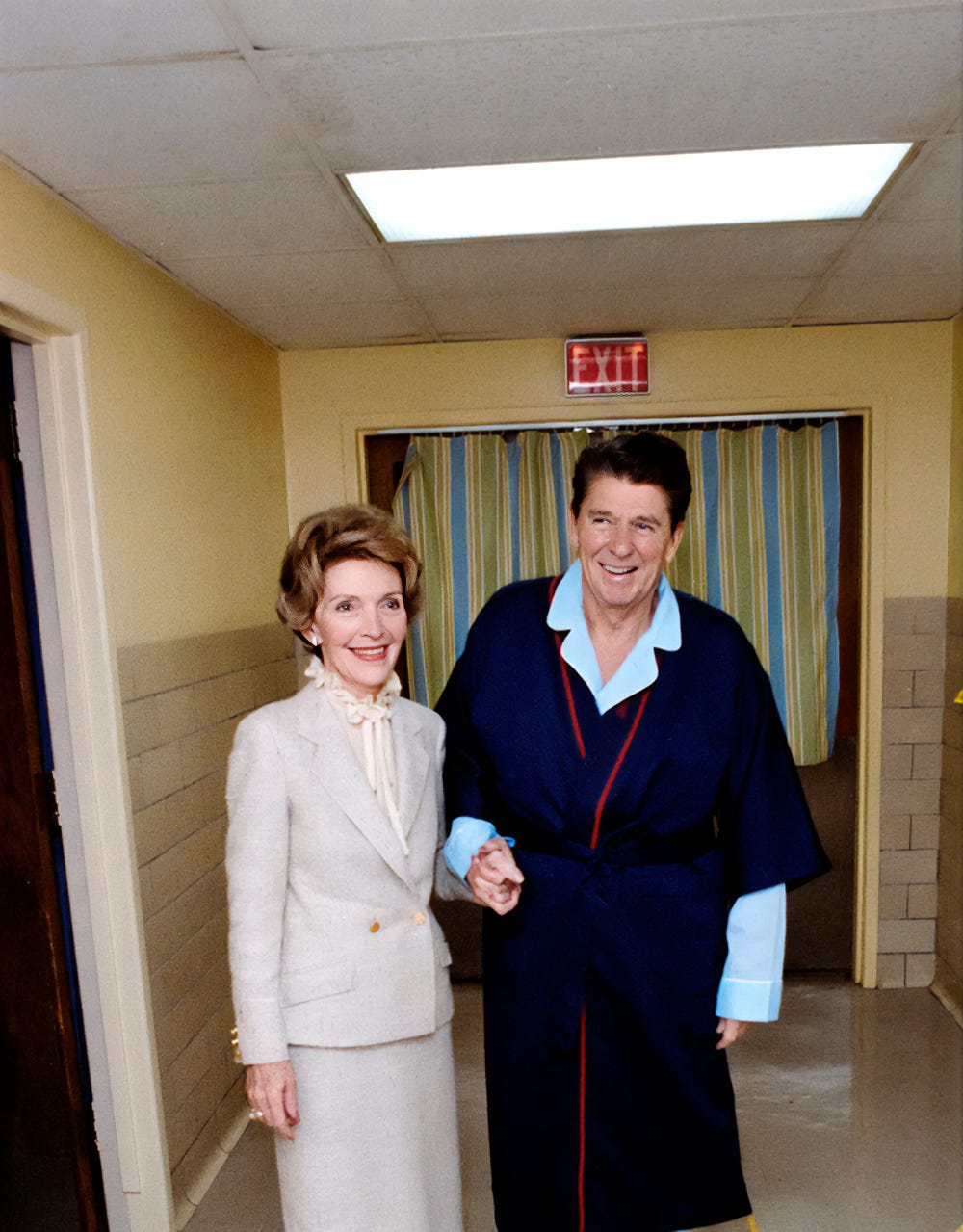
The surgeons were able to remove the bullet and, after twelve days in the hospital, Reagan ultimately made a full recovery. Brady miraculously survived, but suffered permanent brain damage and partial paralysis. The two other men wounded in the attack, Officer Thomas Delahanty and Agent Tim McCarthy, also made full recoveries.
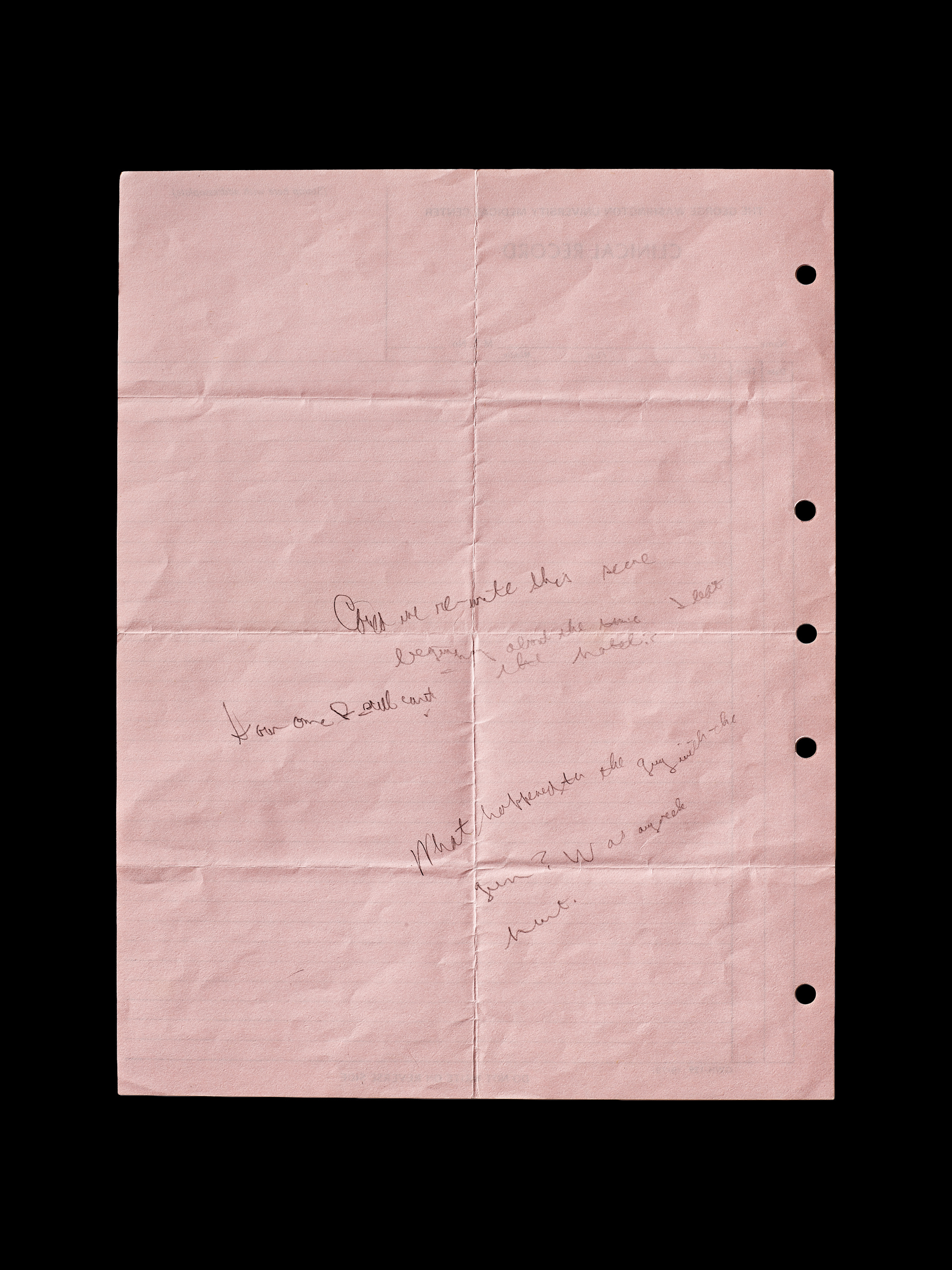
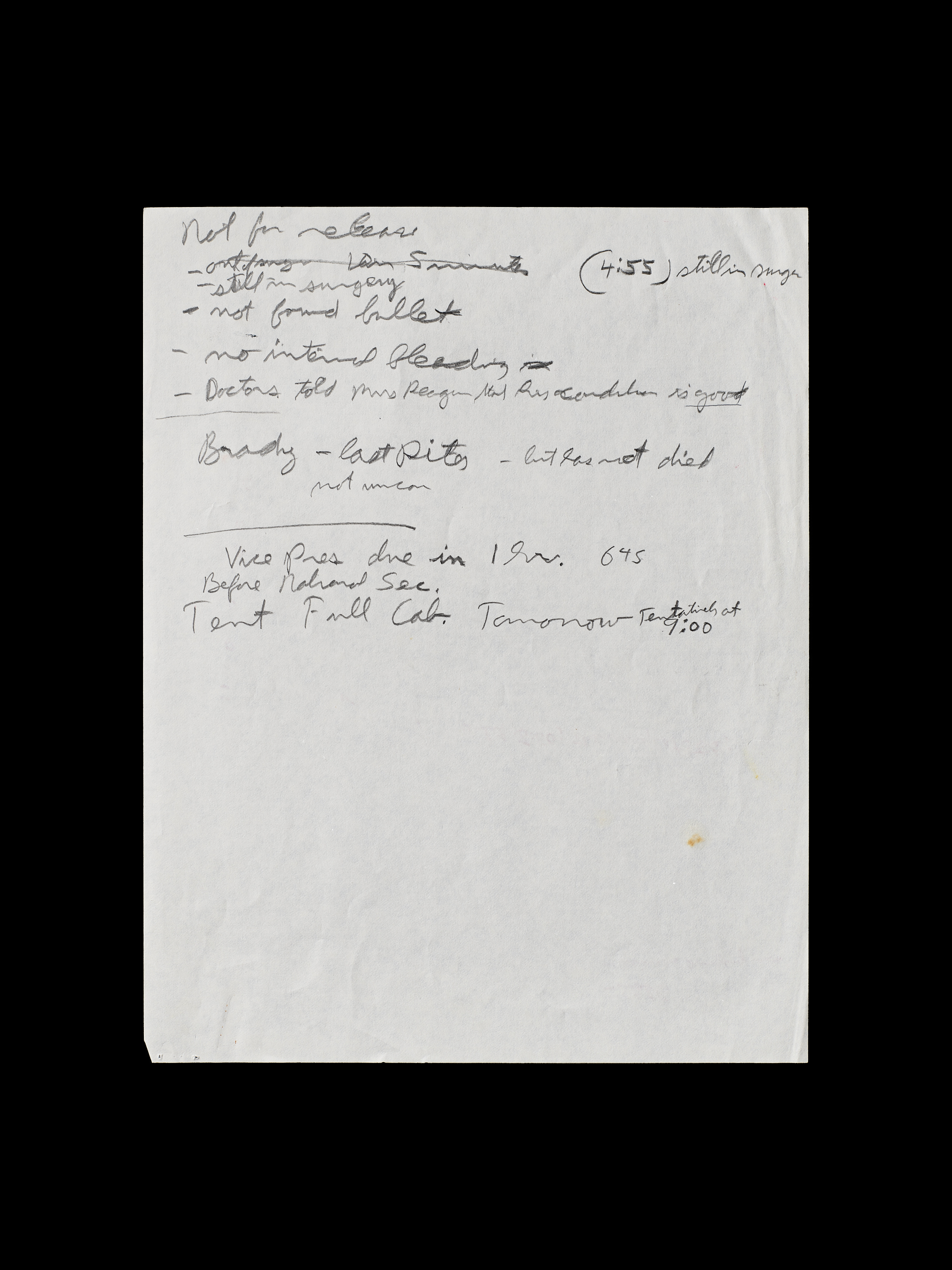
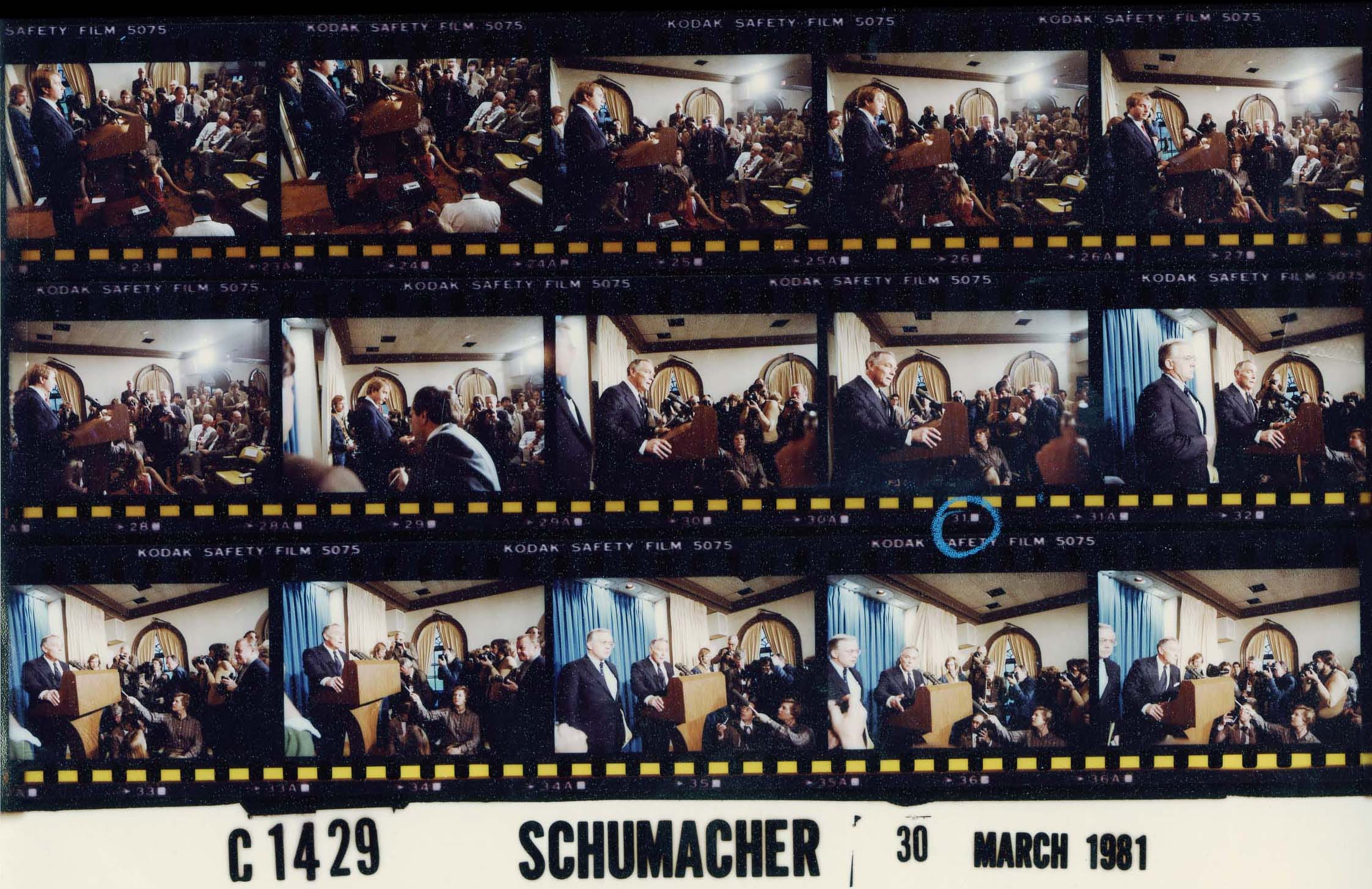
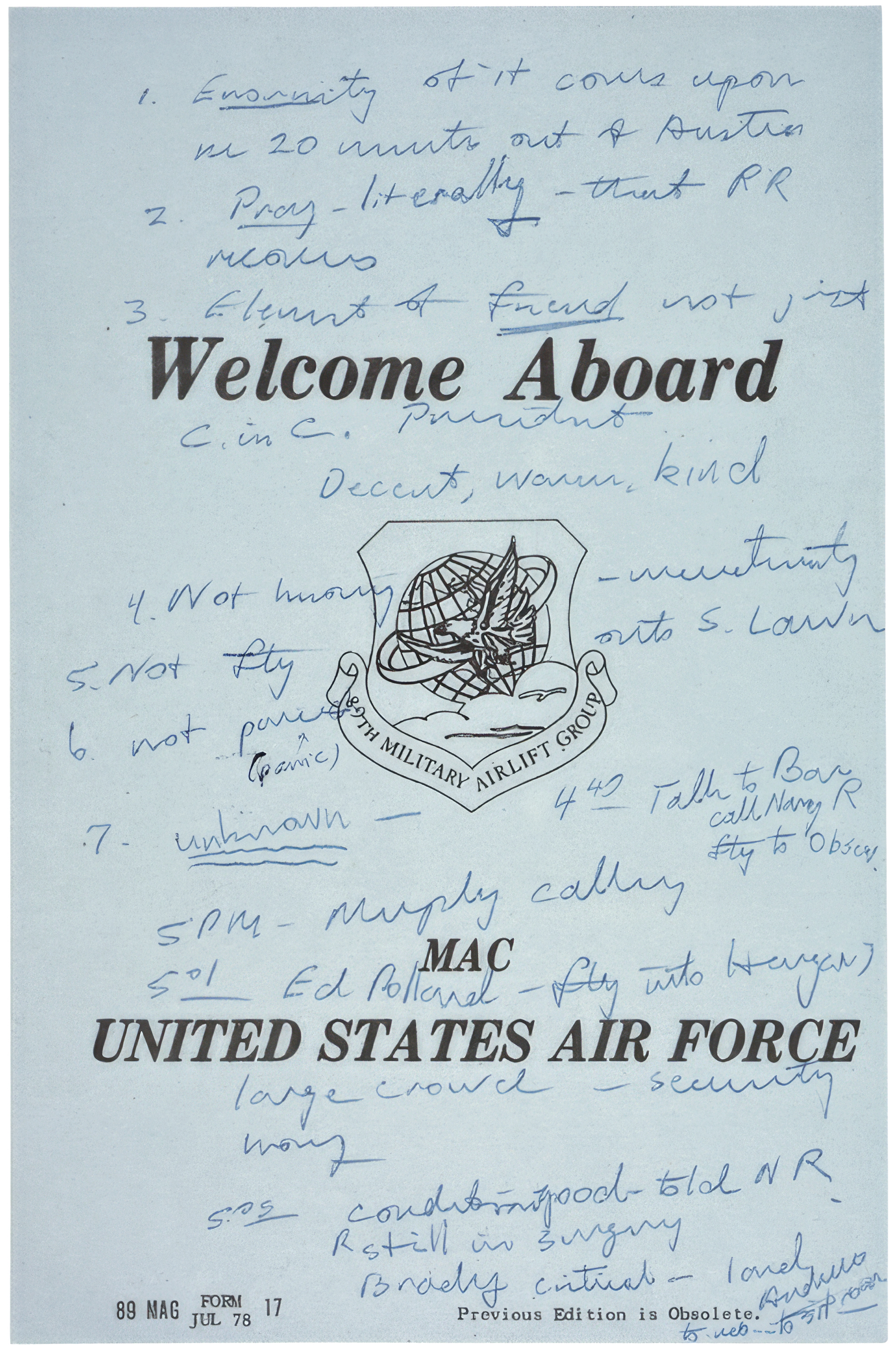
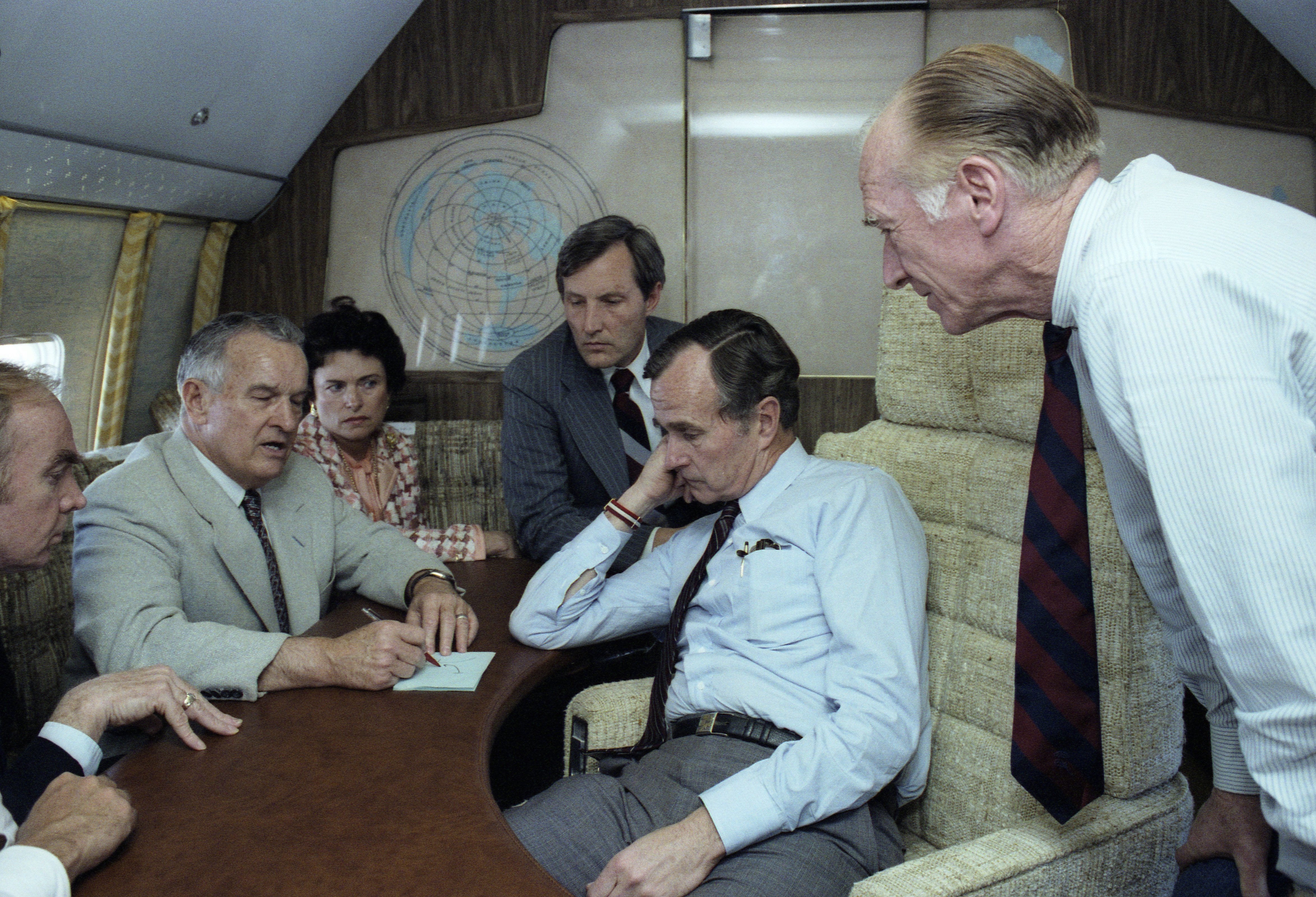
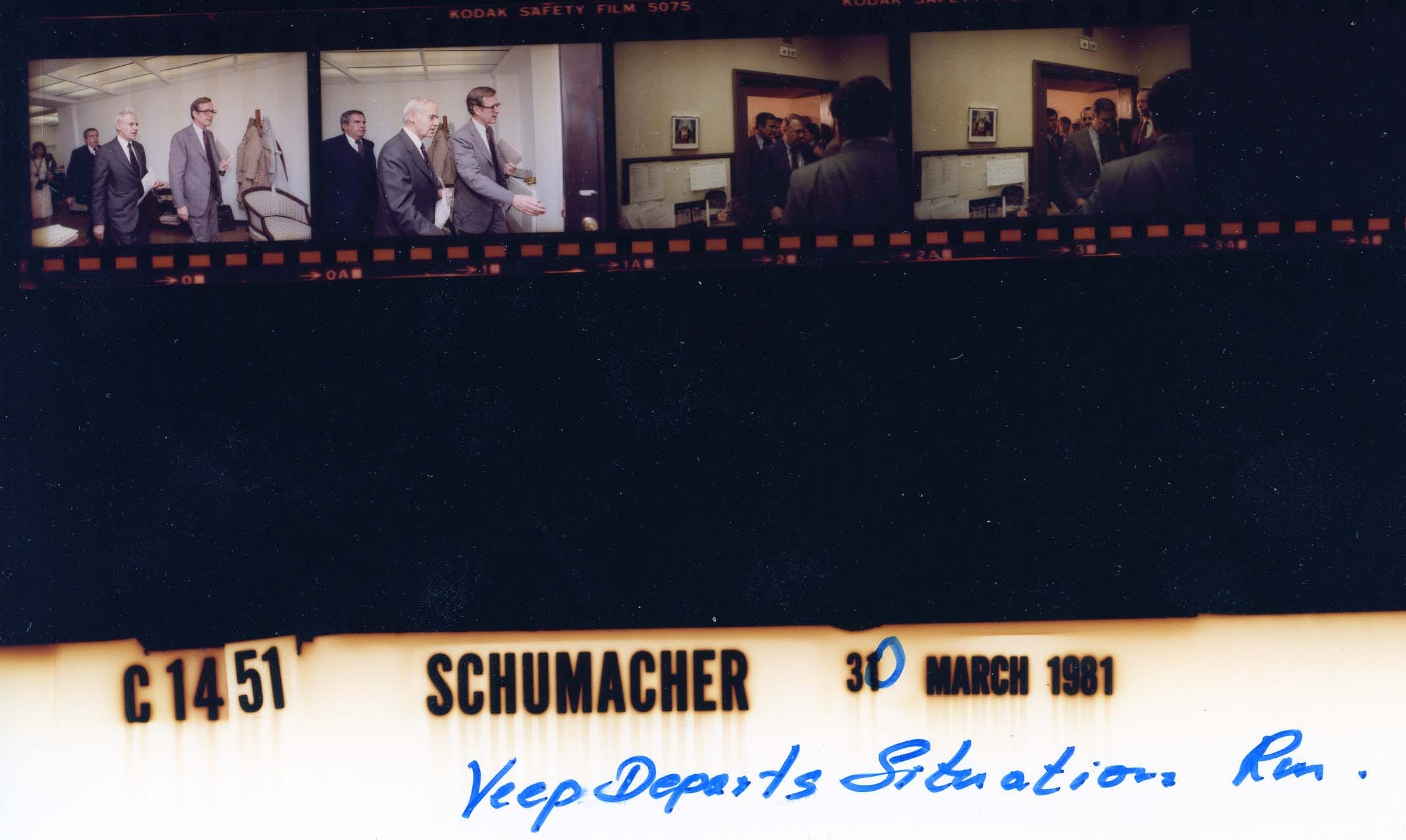
Back at the White House, the atmosphere dissolved into a mix of confusion and paranoia. Fearing the assassination attempt might be the opening salvo of a larger Soviet offensive, the administration struggled to find its footing as the crisis unfolded. Vice President George Bush, who was currently on a trip to Texas, was largely unreachable due to the lack of secure communications aboard Air Force Two. When the press corps demanded to know who was running the government, Deputy Press Secretary Larry Speakes only heightened the anxiety by admitting he couldn’t answer the question.
Seizing the moment, Secretary of State Alexander Haig attempted to project stability but instead triggered a constitutional controversy. He famously declared to the press briefing room, “As of now, I am in control here,” a claim that ignored the legal line of succession, which placed him behind both the Vice President and Speaker of the House Tip O’Neill. This period of high-stakes improvisation finally ended once Bush landed back in Washington and restored a sense of order to the West Wing.
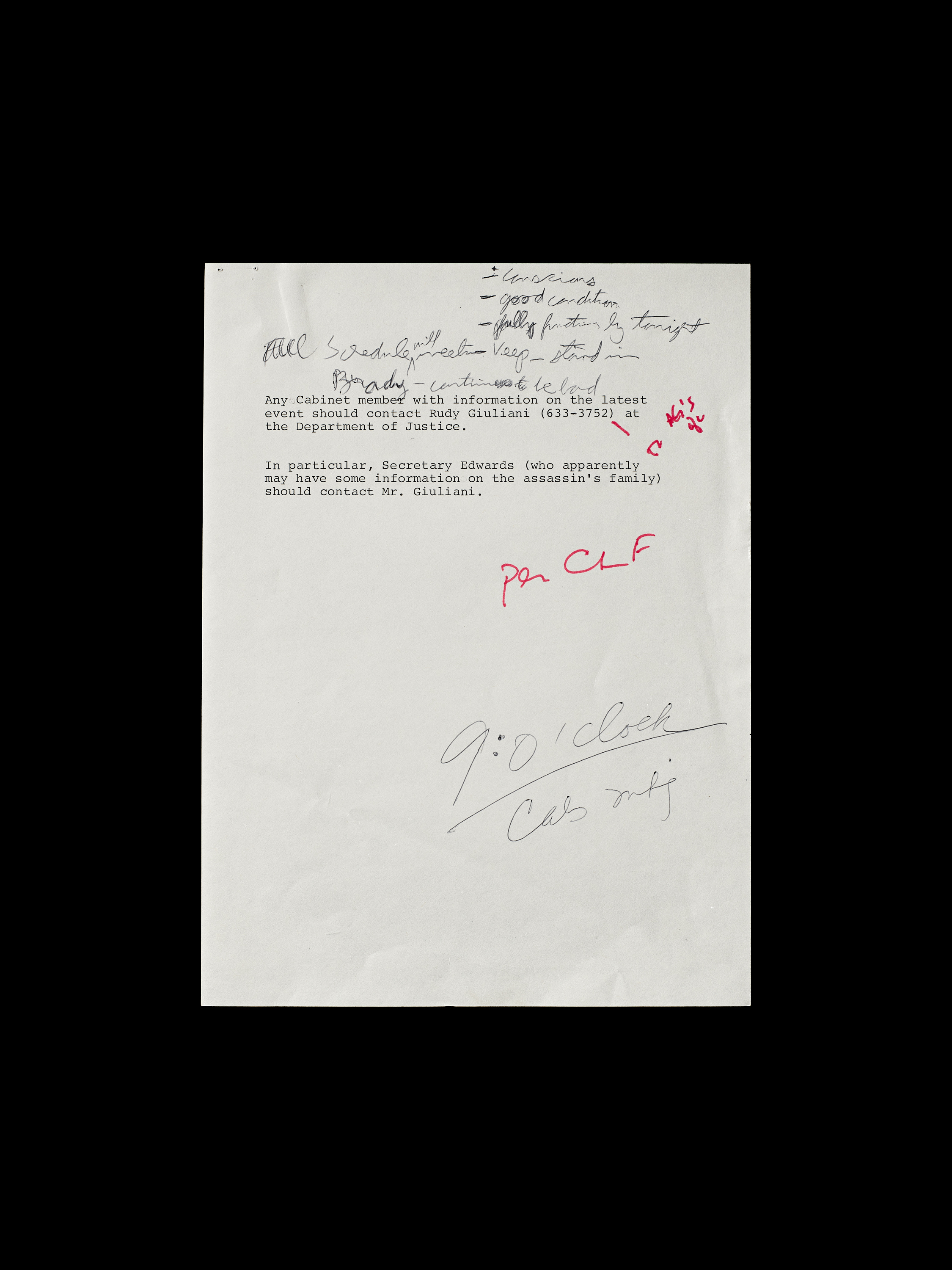
After firing his sixth shot, Hinckley was quickly subdued by agents and arrested. Less than two hours later, the FBI raided his room at the Park Central Hotel. It was there, among his possessions, that they discovered Hinckley’s motive was not political but instead stemmed from a personal obsession with the actress Jodie Foster. Evidence indicated that he had no animosity toward Reagan, who was simply a “stand-in” for a twisted romantic gesture—a theory was later supported by the discovery that Hinckley had also stalked President Carter months earlier.
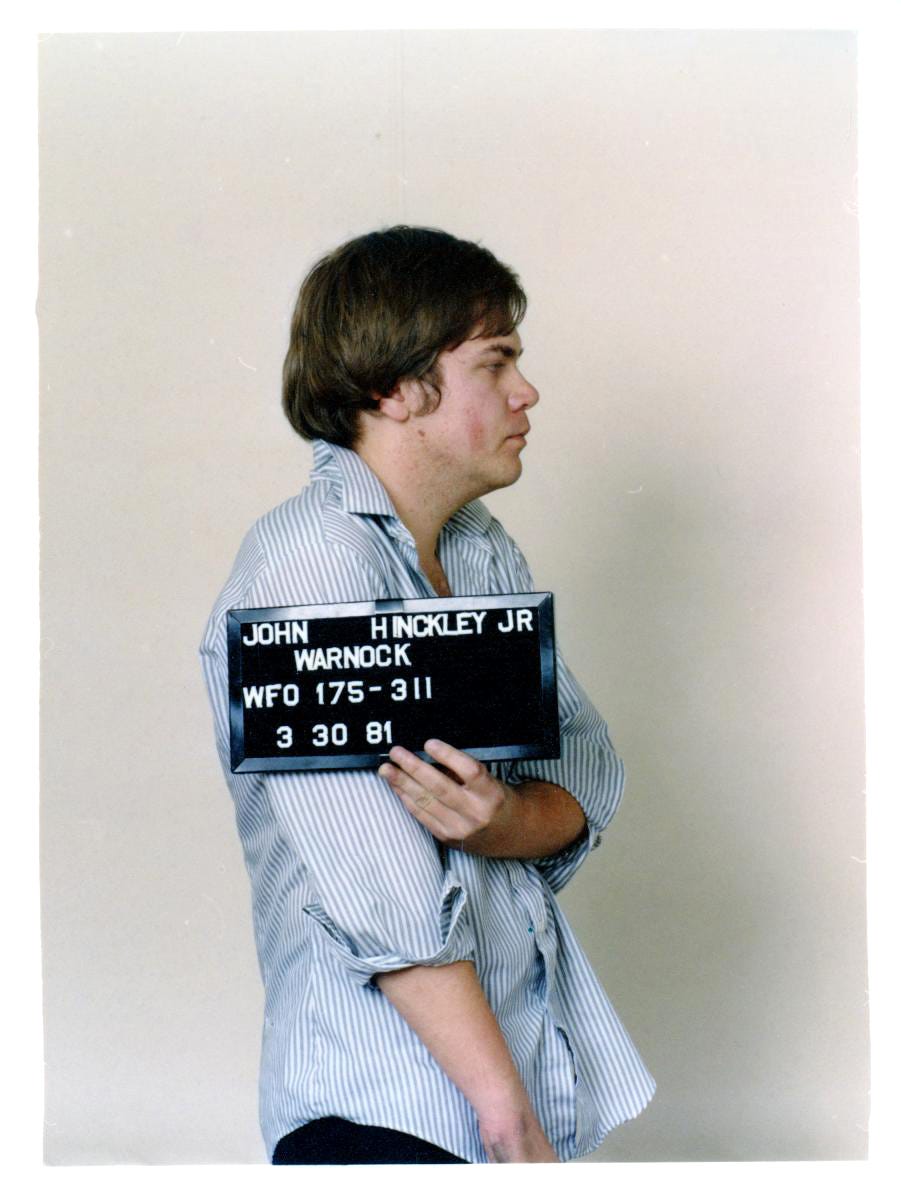
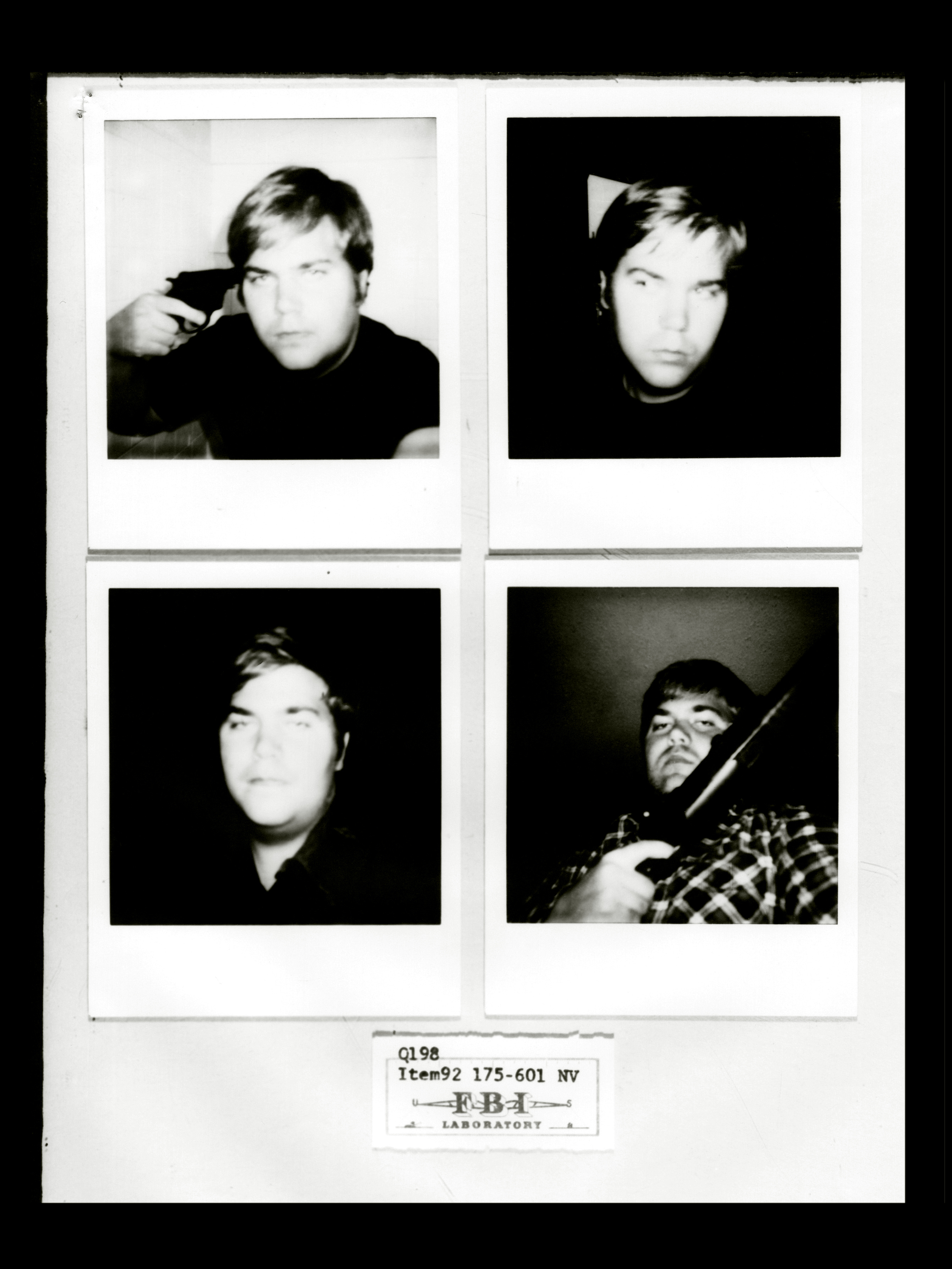
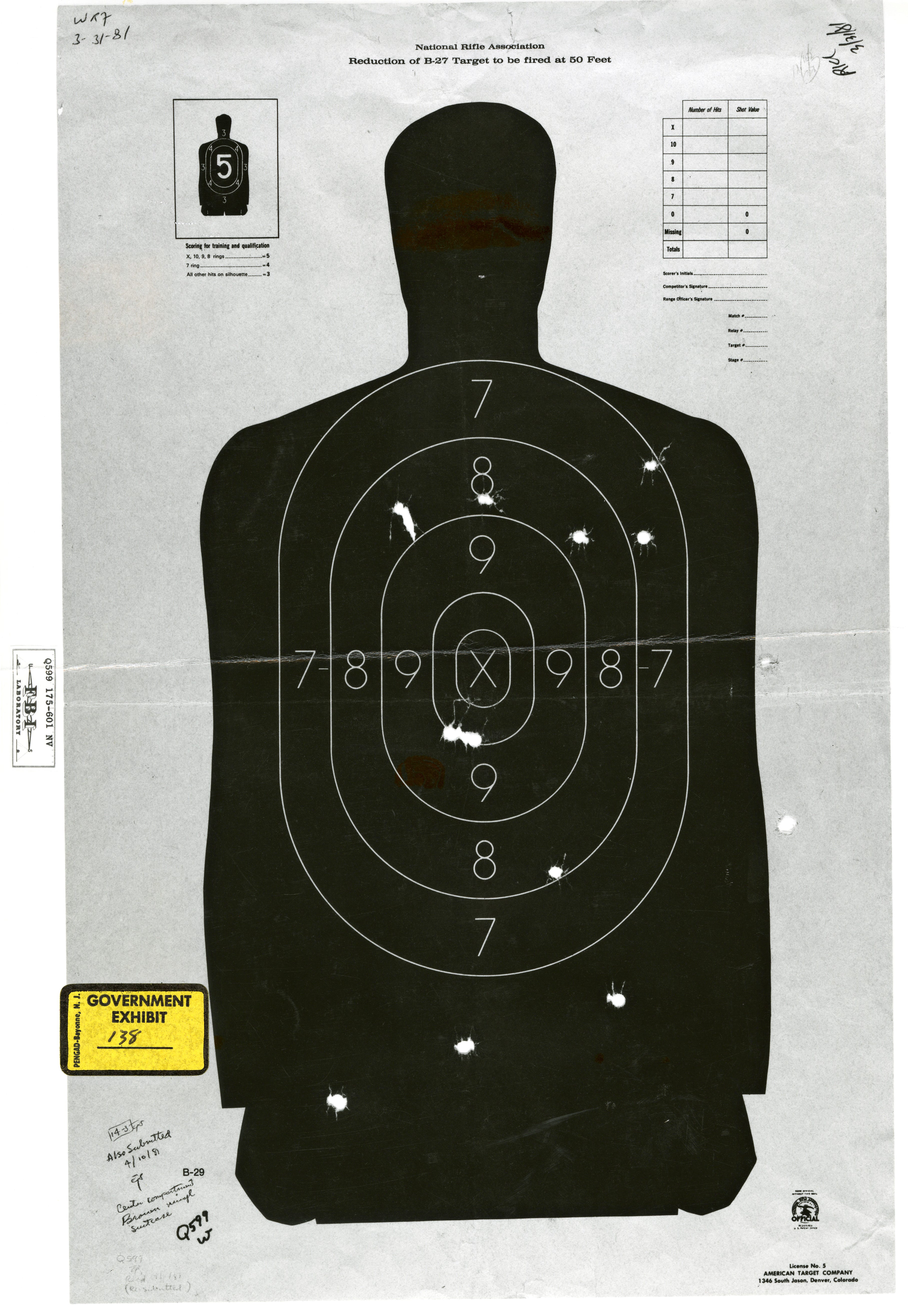
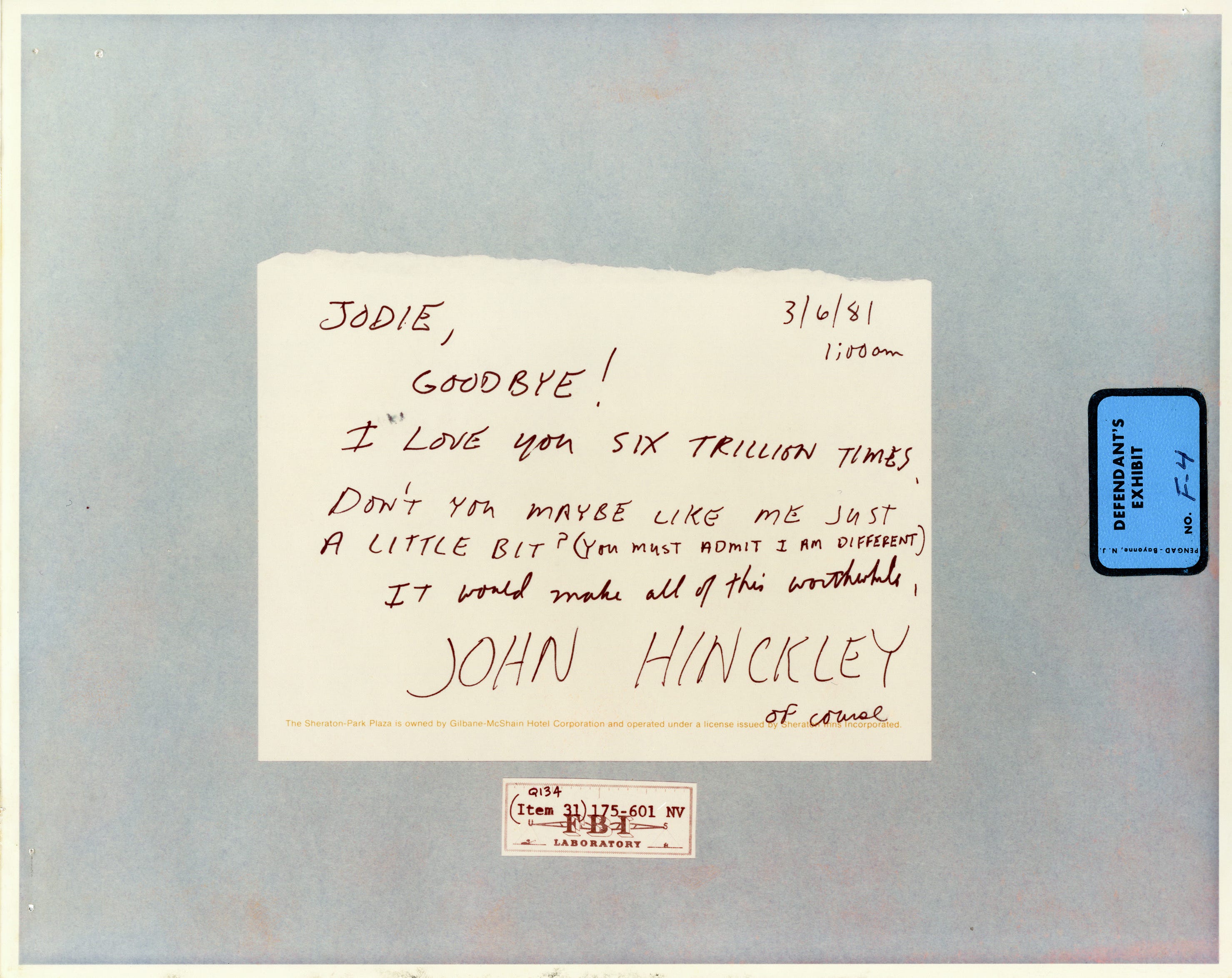
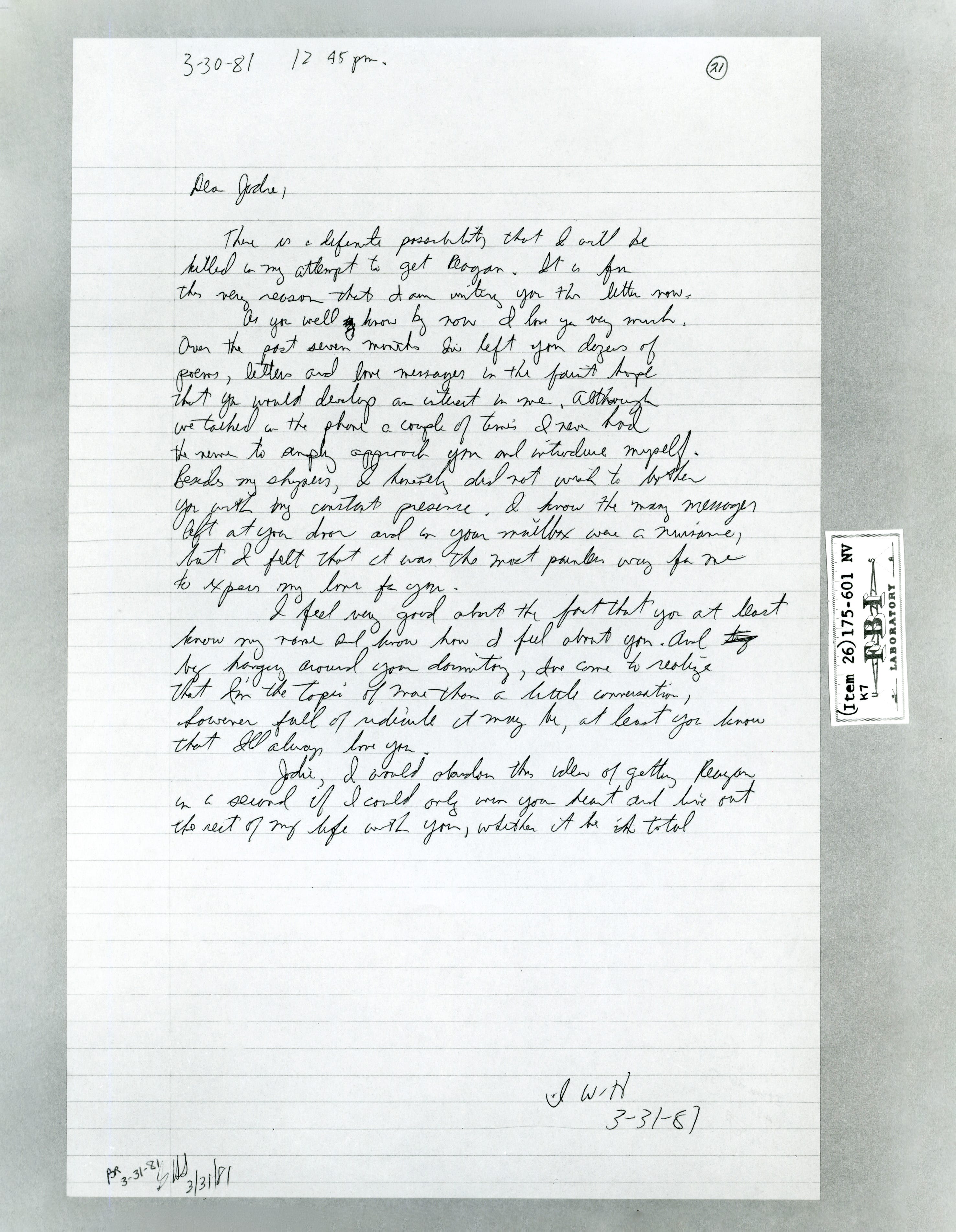
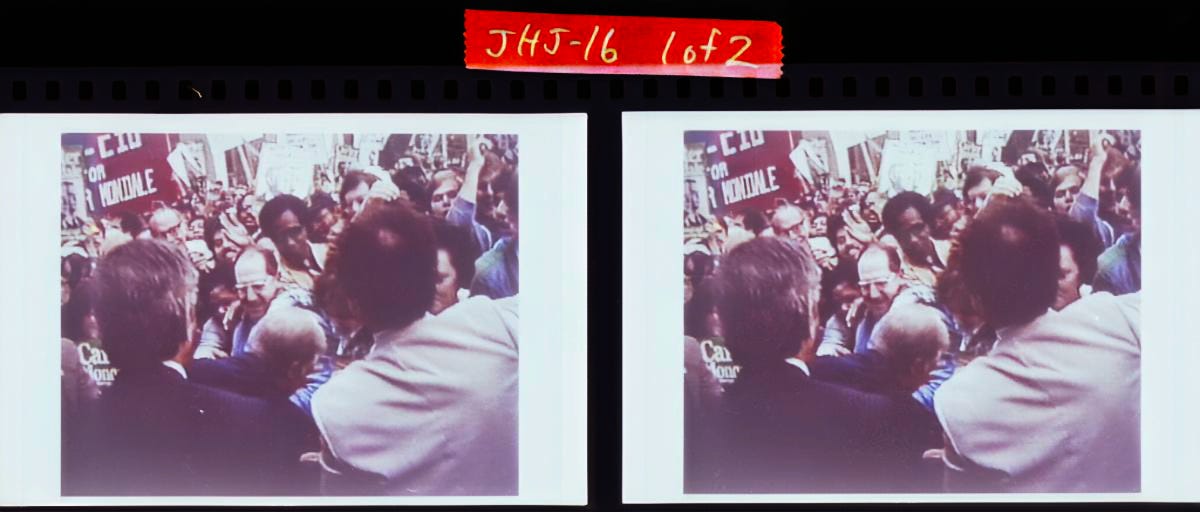
In June 1982, a jury found Hinckley not guilty by reason of insanity and committed him to a secure psychiatric facility indefinitely. No longer deemed a threat to society, he was released in 2016.
The Reagan assassination attempt marked the ninth such attack on a U.S. President since the Civil War and was a sobering reminder of the persistent threat of violence directed at the office. Today, the security failures that allowed Hinckley to get within point-blank range of the President are virtually unthinkable. The Secret Service now employs a vastly more sophisticated system of “preventive layers,” ensuring that no unauthorized individual, especially one carrying a weapon, could breach the perimeter.
The most visible symbol of this evolution is the presidential limousine. Known as “The Beast,” the current vehicle is a rolling fortress designed to withstand ballistic, explosive, and chemical attacks. Beyond the hardware, the Secret Service has also revolutionized its tactical protocols by ensuring agents are hyper-vigilant regarding sightlines and “choke points” during every presidential movement.
While no security detail can ever be truly impenetrable, the standards of protection today are unprecedented, making the vulnerabilities of 1981 a relic of the past.
If you enjoyed this post, please consider buying my book:
